

Is Your Soil Silently Damaging Your Home's Foundation? A Guide to Reactive Clay

Across vast areas of Australia, there is a powerful, hidden force at work beneath our homes. It can lift, drop, and crack a concrete slab with relentless pressure, causing thousands of dollars in damage. It isn’t an earthquake or a flood; it’s the very ground your house is built on. It’s called reactive soil, and understanding the story it tells is one of the most critical things any Australian homeowner can do to protect their property.
Clients often call us in a state of confusion and anxiety, pointing to new cracks in their walls or doors that no longer close properly. They want to know what’s happening to their home. In so many of these cases, the story begins and ends with the behaviour of reactive clay soil.
The Expert Translation: What is Reactive Soil?
Many Australian homes, particularly in Victoria and Queensland, are built on clay soils that are “reactive.” The simplest way to understand this soil is to think of a common kitchen sponge. When it gets wet, it swells up and expands. When it dries out, it shrinks, hardens, and cracks.
Reactive clay soil behaves in exactly the same way with seasonal rains and dry spells. Now, imagine your home’s foundation is sitting on top of that giant, unpredictable sponge.
- Heave during wet periods: When a season of rain or an unnoticed leak saturates the clay, it swells and lifts the foundations upward.
- Subsidence during dry periods: When prolonged dry weather or thirsty tree roots draw moisture away, the clay shrinks, pulling the foundations down.
The real damage occurs when this movement is uneven. This “differential movement” is the primary cause of structural stress and cracking in homes built on these soils.
Reading the Clues: Is Your Home Telling a Story of Reactive Soil?
Your house will give you clear clues if it is being affected by reactive soil movement. The most common signs we investigate include:
- Diagnostic cracks: Diagonal, stepped cracks in brickwork, often starting from the corners of windows and doors, are a classic sign of differential settlement.
- Sticking doors and windows: When the foundation moves, it twists the whole house frame, causing door and window openings to go out of square.
- Uneven floors: Look for a “doming” effect where the centre of the house is higher than the edges during wet periods, or “dishing” where the centre is lower during dry spells.
- Gaps appearing: Gaps may open up between skirting boards and floors, or between walls and cornices, as different parts of the house move at different rates.
What This Means for You
According to Australian Standard AS 2870, which governs the design of residential foundations, some movement and minor cracking is expected and tolerated in homes on reactive sites. However, cracks wider than 5mm are typically classified as “Moderate” damage and warrant an expert investigation to understand the cause and prevent further deterioration.
Taking Control of the Narrative: How to Manage Reactive Soils
The performance of your home's footings depends on maintaining consistent moisture conditions around and under the foundation. The goal is to stop the dramatic swell/shrink cycle. Here are the most effective strategies:
- Master your drainage: Capture all stormwater and pipe it away from the house. The ground immediately around the foundation should slope away, and water should never be allowed to pool against the walls.
- Check for leaks: A small, persistent leak from a tap, stormwater pipe, or sewer pipe can super-saturate a section of clay soil, causing localised heave and significant damage.
- Landscape with care: Avoid planting large, thirsty trees and shrubs close to the house. Keep garden beds that require frequent watering away from the foundation.
- Install perimeter paths: A well-drained, sealed path or pavement around the perimeter of your home acts like a protective umbrella, helping to stabilise the moisture content in the critical soil zone supporting your footings.
From a Silent Threat to a Manageable Condition
Living on reactive soil doesn’t have to mean living with constant damage. By understanding the story of how water interacts with the clay beneath your home, you can take proactive steps to manage the risks. With proper drainage, careful landscaping, and diligent maintenance, you can protect your home from this silent destroyer and ensure its foundation remains stable for decades to come.
Are you seeing the signs of soil movement in your home? Book a Forensic Structural Investigation to get a clear diagnosis of the cause and a plan to protect your property.
What Are Reactive Soils?
Reactive soils contain clay minerals that undergo significant volume changes in response to moisture fluctuations. These soils are classified based on their potential for movement:
- Class S (Slightly reactive) - Minor ground movement from moisture changes
- Class M (Moderately reactive) - Moderate ground movement from moisture changes
- Class H (Highly reactive) - High ground movement from moisture changes
- Class E (Extremely reactive) - Extreme ground movement from moisture changes
- Class P (Problem soils) - Soils with other issues like collapsing or soft soils
Australia has some of the most reactive soils in the world, particularly in areas with high clay content. Melbourne, Adelaide, and Sydney are especially prone to reactive soil issues due to their geological composition.
How Reactive Soils Damage Foundations
The damage process typically follows this pattern:
1. Differential Movement
Moisture changes rarely occur uniformly across a site. One area might be exposed to more water (near downpipes, leaking pipes, or poor drainage) while another remains dry (under eaves or covered areas). This creates differential movement where parts of the foundation rise or fall more than others.
2. Stress on Structure
Buildings are generally designed to accommodate some movement, but excessive differential movement creates stress in the structure. This stress concentrates at weak points like window and door openings, changes in wall direction, or transitions between different building materials.
3. Visible Damage
As stress exceeds the material's capacity, visible damage appears. This typically starts as cracking in walls, sticking doors and windows, sloping floors, and separation between building elements. In severe cases, it can progress to major structural failure.
Common Signs of Reactive Soil Damage
Property owners should be vigilant for these warning signs:
- Diagonal cracks in walls, typically wider at the top or bottom
- Doors and windows that stick or won't close properly
- Gaps appearing between walls and floors or ceilings
- Sloping or uneven floors
- Cracking in concrete slabs or paving
- Separation between external walls and paths/driveways
- Rotating retaining walls
- Cracking in brick veneer at corner windows or doors
Case Study: Garden Renovation
We recently investigated a forensic case where a homeowner's well-intentioned garden renovation led to catastrophic foundation damage. The owner of a 1980s brick veneer home on a highly reactive clay site installed garden beds around the perimeter of their home and an automatic irrigation system.
Within two years, the home developed severe cracking throughout, with some cracks exceeding 25mm in width. Doors wouldn't close, and floors had developed significant slopes. Our investigation revealed that the garden irrigation had caused extreme swelling of the reactive clay soil around the perimeter of the house, while the soil under the center remained stable.
The remediation required underpinning the entire perimeter, extensive crack repairs, replacement of several door frames, and reconstruction of affected walls. The total cost exceeded $50,000 - all from a garden renovation that cost less than $10,000.
Prevention and Mitigation Strategies
For Existing Homes
If you already own a home on reactive soil, these strategies can help minimize damage:
- Maintain consistent moisture levels - This is the single most important factor. Avoid extreme wet or dry conditions around foundations.
- Install and maintain proper drainage - Ensure water flows away from the building.
- Repair plumbing leaks promptly - Even small leaks can cause significant soil movement over time.
- Consider root barriers - Trees can extract moisture from soil, causing shrinkage. Root barriers can prevent this.
- Maintain a consistent watering regime - During drought, consider light, consistent watering around foundations to prevent extreme drying.
- Be cautious with landscaping - Avoid placing garden beds or irrigation systems against the house.
For New Construction
When building on reactive soils, these measures are essential:
- Proper site classification - Ensure a geotechnical engineer assesses the soil reactivity.
- Appropriate foundation design - Foundations must be designed specifically for the soil classification.
- Moisture barriers - Consider moisture barriers around the perimeter of the building.
- Flexible connections - Use flexible plumbing connections that can accommodate movement.
- Proper site drainage - Design drainage to maintain consistent moisture levels around foundations.
- Careful landscaping planning - Consider the impact of gardens, irrigation, and trees on foundation performance.
When to Seek Professional Help
Contact a structural engineer immediately if you notice:
- New or growing cracks in walls, especially if wider than 5mm
- Doors or windows that suddenly begin to stick
- Noticeable slopes in previously level floors
- Separation between building elements
- Any sudden or rapid changes in the building's condition
Early intervention is crucial. What might cost a few thousand dollars to address early can become a major structural remediation costing tens of thousands if left unaddressed.
Conclusion: Knowledge is Protection
Reactive soils don't have to lead to foundation disaster. With proper understanding, preventative measures, and prompt action when issues arise, property owners can protect their investments from this silent destroyer.
At AZTA Engineering, we specialize in identifying and addressing reactive soil issues before they become catastrophic. Whether you're buying, building, or maintaining a property, our expertise can help you navigate the challenges of reactive soils and ensure your foundation remains solid for decades to come.
Remember: when it comes to reactive soils, prevention is always more affordable than cure.
AK
Forensic Structural Engineer at AZTA Engineering with over 7 years of experience in structural investigation and building assessment across Australia.
Related Articles
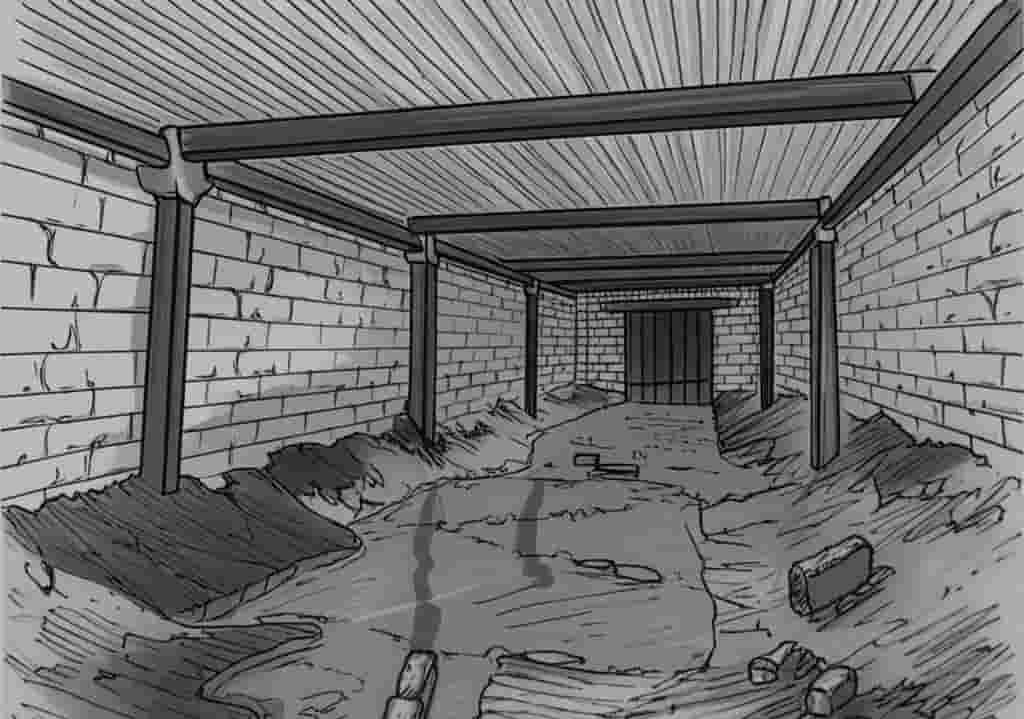
Your Property's Most Important System: A Homeowner's Guide to Stormwater Management
Civil Engineering • 9 min read
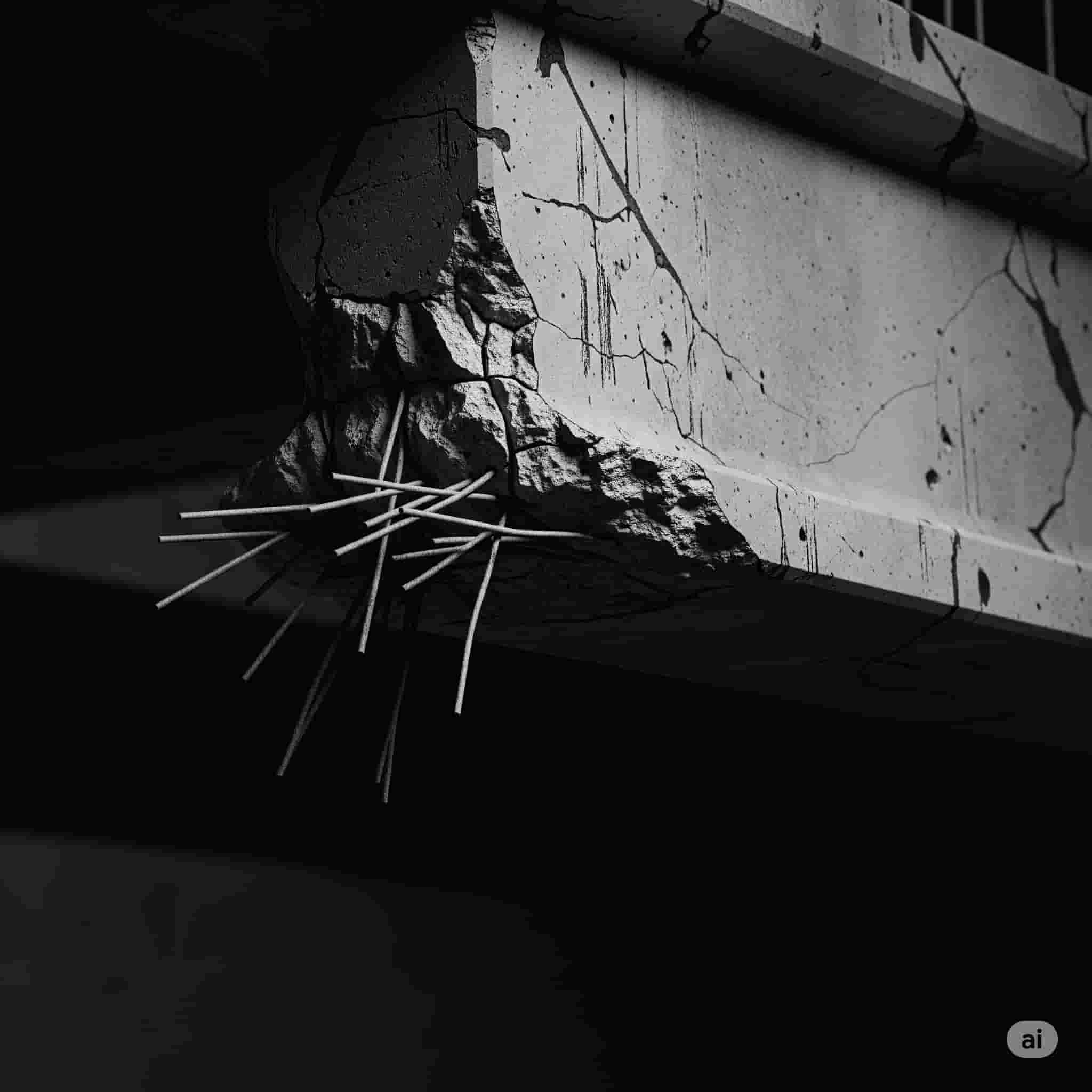
What is This Ugly Stain? A Homeowner's Guide to 'Concrete Cancer' (Spalling)
Structural Deterioration • 8 min read
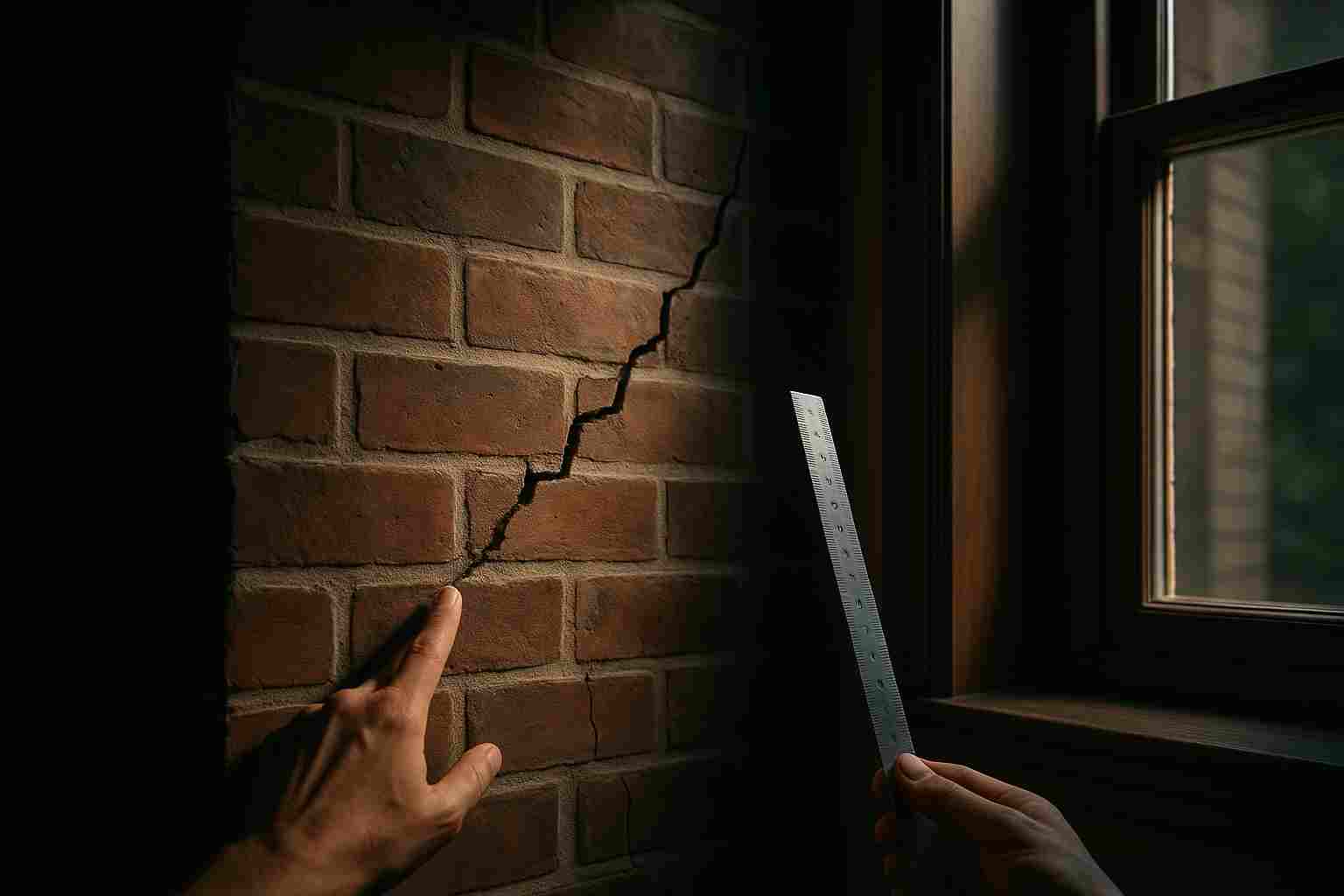
The 5 Telltale Signs of Foundation Issues We See Most Often in Residential Homes
Foundation Engineering • 8 min read