
What is This Ugly Stain? A Homeowner's Guide to 'Concrete Cancer' (Spalling)
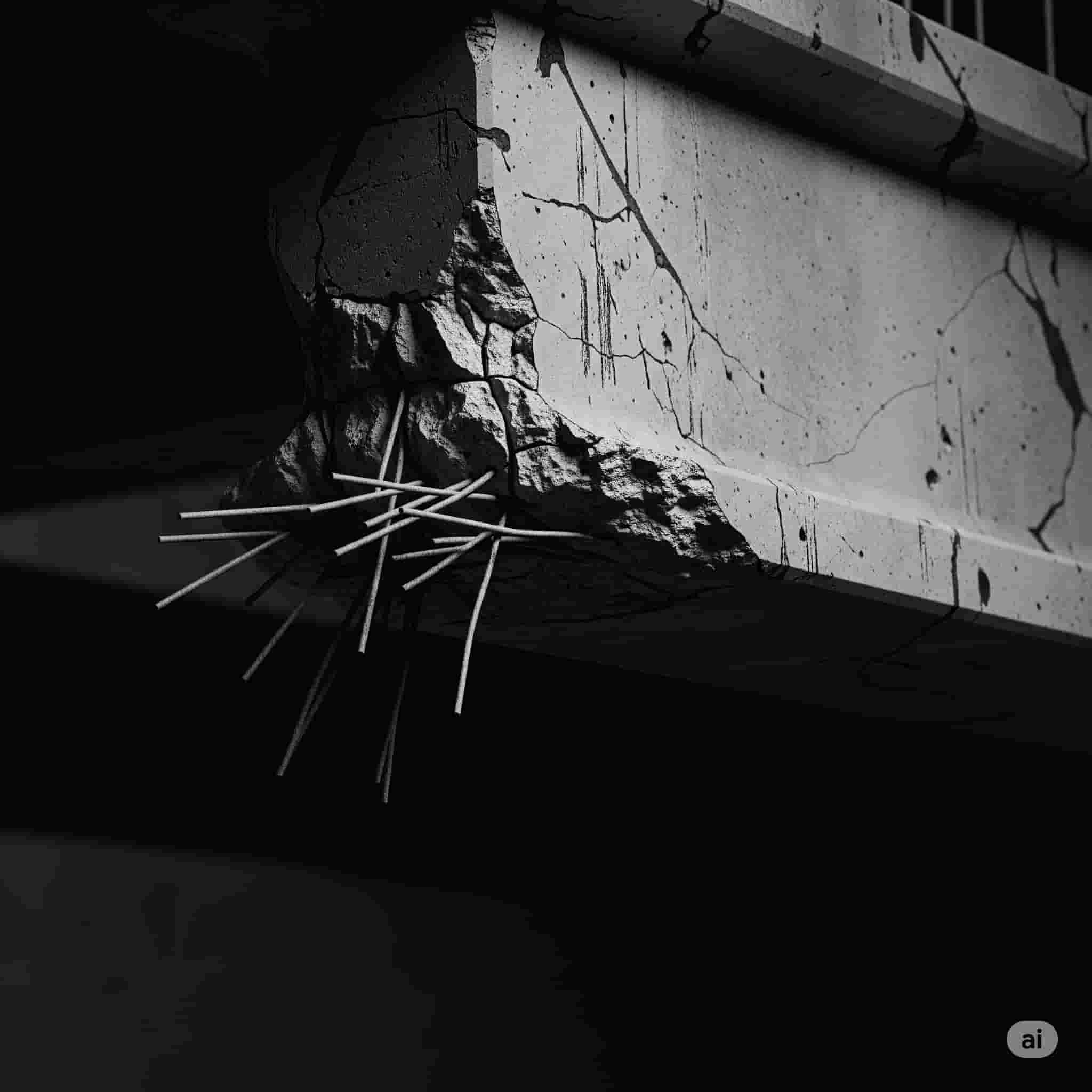
It’s an alarming term for an ugly problem. You notice a rust-coloured stain weeping from the corner of your concrete balcony. Over time, a crack appears, followed by a section of concrete that seems to bubble, break, and fall away, revealing the rusty steel bar within. This process, known as spalling, is often called "concrete cancer" for a good reason: it’s a progressive disease that, if left untreated, can spread and severely compromise the health of your building.
But what is this process, really? And what story is it telling you about your property? As forensic engineers, our job is to read these symptoms, diagnose the root cause, and prescribe the right treatment to restore the structure's strength and integrity.
The Expert Translation: What is Concrete Cancer?
Concrete on its own is incredibly strong under compression (being squeezed) but weak under tension (being pulled apart). To give it tensile strength, steel reinforcement bars (rebar) are embedded within it. This steel is protected from rust by the concrete's high alkalinity.
Concrete cancer, or spalling, begins when this protection is breached. The most common culprit is moisture, often combined with salts from coastal air or other contaminants, seeping through the porous concrete and reaching the steel. When the steel rebar begins to corrode, the rust it forms can expand to many times its original volume. This expansion creates immense internal pressure, forcing the concrete to crack and break away from the inside out.
An Everyday Analogy: Think of it like a small rust spot on a car. It starts as a tiny bubble in the paint, but underneath, the steel is corroding and expanding. If you ignore it, the bubble grows, the paint flakes off, and the rust spreads, weakening the metal panel. Concrete spalling is the exact same process happening within your building's structure.
The Telltale Clues: How to Spot Early-Stage Spalling
The key to treating concrete cancer effectively is to catch it early. Your building will give you several clues that a problem is developing:
- Rust Stains: The first sign is often reddish-brown stains appearing on the concrete surface, indicating that the rebar inside is corroding.
- Cracking or Bubbling: You may notice fine cracks appearing in a grid-like pattern, or the concrete surface may look like it's bubbling or blistering.
- Flaking or Chipping: As the pressure builds, pieces of concrete will begin to flake or chip away. This is known as spalling.
- Exposed Rebar: In advanced cases, entire chunks of concrete may fall off, exposing the rusty and deteriorating steel reinforcement beneath.
These signs are most common in areas exposed to the elements, such as balconies, external columns and beams, and underground car parks.
The Forensic Investigation: Diagnosing the Cause and Extent
When we investigate concrete spalling, we are telling the story of how and why the failure occurred. A simple patch-up job is doomed to fail if the underlying cause isn't addressed. Our investigation involves:
- Visual and Physical Assessment: We map the extent of the visible damage and use techniques like hammer sounding (tapping the concrete to listen for hollow, delaminated areas) to find damage that isn't yet visible.
- Cover Meter Survey: We use specialised equipment to measure the thickness of the concrete "cover" over the steel reinforcement. Inadequate cover is a primary cause of spalling, as it provides an easier path for moisture to penetrate.
- Material Testing: In some cases, we may take core samples of the concrete to test for chloride and carbonation levels, which helps determine the aggressiveness of the corrosive environment.
The Path to Remediation: A Surgical Approach
Repairing concrete cancer is not a job for a handyman; it is a structural engineering process that must comply with Australian Standards. The typical remediation process is as follows:
- Break Out: All damaged and delaminated concrete is carefully broken out to expose the full extent of the corroded steel.
- Steel Treatment: The reinforcement is cleaned of all rust, typically by abrasive blasting. If the corrosion is severe and has reduced the bar's diameter, new reinforcement may need to be welded in place to restore strength.
- Protective Coating: The cleaned steel is treated with a specialised anti-corrosion primer.
- Reinstatement: The area is repaired using a high-build polymer-modified repair mortar, which has low shrinkage and high durability properties.
- Protective Membrane: Finally, a protective waterproof membrane or anti-carbonation coating is often applied to the entire surface to prevent moisture from starting the cycle all over again.
From a Worrying Symptom to a Lasting Solution
Seeing your building begin to crumble is a deeply unsettling experience. But understanding the story behind concrete cancer is the first step toward a solution. It is a serious condition, but with a proper forensic diagnosis and a professionally engineered repair strategy, the structural integrity of your property can be fully restored, ensuring its safety and value for decades to come.
Have you spotted the signs of concrete cancer on your property? Contact AZTA Engineering for a forensic investigation to get a clear diagnosis and a robust plan for remediation.
Concrete spalling, commonly referred to as "concrete cancer," is one of the most serious building defects affecting structures across Australia. This progressive deterioration of concrete not only compromises the structural integrity of buildings but can also pose significant safety risks to occupants and the public. As forensic structural engineers, we regularly investigate concrete spalling failures and have developed comprehensive approaches to assessment and remediation.
Understanding Concrete Spalling
Concrete spalling occurs when the concrete surface breaks away in flakes or chunks, typically exposing the underlying steel reinforcement. This process is often initiated by the corrosion of steel reinforcement within the concrete, which expands as it rusts, creating internal pressure that eventually causes the concrete cover to crack and fall away.
The term "concrete cancer" is particularly apt because, like cancer, the deterioration spreads progressively if left untreated. What begins as minor surface cracking can eventually compromise the entire structural element, requiring extensive and costly remediation.
Primary Causes of Concrete Spalling
Chloride Attack
The most common cause of concrete spalling in Australia is chloride-induced corrosion, particularly in coastal areas. Chloride ions from salt air penetrate the concrete and reach the steel reinforcement, initiating corrosion even in alkaline conditions. This is especially problematic in:
- Buildings within 1km of the coastline
- Structures exposed to de-icing salts
- Swimming pool areas and water treatment facilities
- Underground structures exposed to groundwater
Carbonation
Carbonation occurs when carbon dioxide from the atmosphere reacts with the alkaline compounds in concrete, gradually reducing the pH. When the pH drops below about 9, the protective alkaline environment around the steel reinforcement is lost, allowing corrosion to begin. This process is accelerated by:
- Poor quality concrete with high permeability
- Insufficient concrete cover over reinforcement
- Exposure to high CO2 concentrations
- Wet-dry cycling that accelerates carbonation
Poor Construction Practices
Many spalling problems can be traced back to construction defects:
- Insufficient concrete cover over reinforcement
- Poor concrete compaction leaving voids and honeycombing
- Inadequate curing allowing rapid moisture loss
- Use of contaminated aggregates or mixing water
- Incorrect concrete mix design for the exposure conditions
Identification and Assessment
Visual Indicators
Early identification of concrete spalling is crucial for effective remediation. Key visual indicators include:
- Rust staining on concrete surfaces
- Fine cracks running parallel to reinforcement
- Loose or hollow-sounding concrete when tapped
- White efflorescence deposits on surfaces
- Exposed or corroded reinforcement
- Concrete pieces falling from the structure
Professional Assessment Techniques
Comprehensive assessment requires specialized techniques:
Half-Cell Potential Testing
This electrochemical test measures the corrosion potential of embedded steel reinforcement, helping identify areas of active corrosion before visible spalling occurs.
Concrete Core Testing
Core samples allow laboratory analysis of concrete strength, permeability, chloride content, and carbonation depth, providing crucial data for remediation design.
Cover Meter Surveys
These surveys map the location and depth of reinforcement, identifying areas with insufficient cover that are prone to spalling.
Delamination Surveys
Chain dragging or hammer tapping identifies areas where the concrete has delaminated from the reinforcement but hasn't yet spalled.
Remediation Strategies
Patch Repairs
For localized spalling, patch repairs may be appropriate:
- Remove all loose and contaminated concrete
- Clean reinforcement and apply corrosion inhibitor
- Apply bonding agent and repair mortar
- Apply protective coating system
However, patch repairs often fail if the underlying causes aren't addressed, leading to further deterioration around the repair areas.
Cathodic Protection
For widespread corrosion, cathodic protection systems can halt the corrosion process by applying a small electrical current to the reinforcement. This is particularly effective for:
- Large structures where replacement is impractical
- Structures with widespread but not severe deterioration
Concrete Replacement
For severe spalling, complete replacement of affected elements may be necessary:
- Remove all contaminated concrete
- Replace corroded reinforcement
- Use appropriate concrete mix for exposure conditions
- Ensure adequate cover and proper curing
- Apply protective systems as required
Prevention Strategies
Design Phase
- Specify appropriate concrete grades and cover depths for exposure conditions in the design
- Design effective drainage and waterproofing systems
- Consider protective coatings for high-risk areas
- Specify corrosion-resistant reinforcement where appropriate
Construction Phase
- Ensure proper concrete placement and compaction
- Maintain adequate cover to reinforcement
- Implement proper curing procedures
- Use quality materials appropriate for the exposure
Maintenance Phase
- Conduct regular inspections for early signs of deterioration
- Maintain drainage systems and waterproofing
- Address minor defects before they become major problems
- Apply protective coatings as part of planned maintenance
The Economics of Early Intervention
The cost of addressing concrete spalling increases exponentially with time. Consider these typical scenarios:
- Early intervention (rust staining): $50-100 per m² for protective coatings
- Minor spalling: $200-400 per m² for patch repairs
- Moderate spalling: $500-800 per m² for extensive repairs
- Severe spalling: $1000-2000 per m² for replacement
These figures are for comparison only and don't include the indirect costs of scaffolding, temporary works, disruption to occupants, and potential safety risks.
Conclusion
Concrete spalling is a serious but manageable building defect when addressed promptly and professionally. The key to successful management is early identification, proper assessment, and appropriate remediation based on the specific causes and extent of deterioration.
At AZTA Engineering, our forensic investigations of concrete spalling failures inform our approach to both assessment and remediation. We understand how concrete deteriorates and use this knowledge to develop cost-effective solutions that address both immediate safety concerns and long-term durability.
Remember: concrete cancer doesn't heal itself. Early diagnosis and treatment are essential to prevent minor problems from becoming major structural failures.
AK
Forensic Structural Engineer at AZTA Engineering with over 7 years of experience in structural investigation and building assessment across Australia.
Related Articles
Is Your Soil Silently Damaging Your Home's Foundation? A Guide to Reactive Clay
Foundation Engineering • 7 min read
Your Property's Most Important System: A Homeowner's Guide to Stormwater Management
Civil Engineering • 9 min read
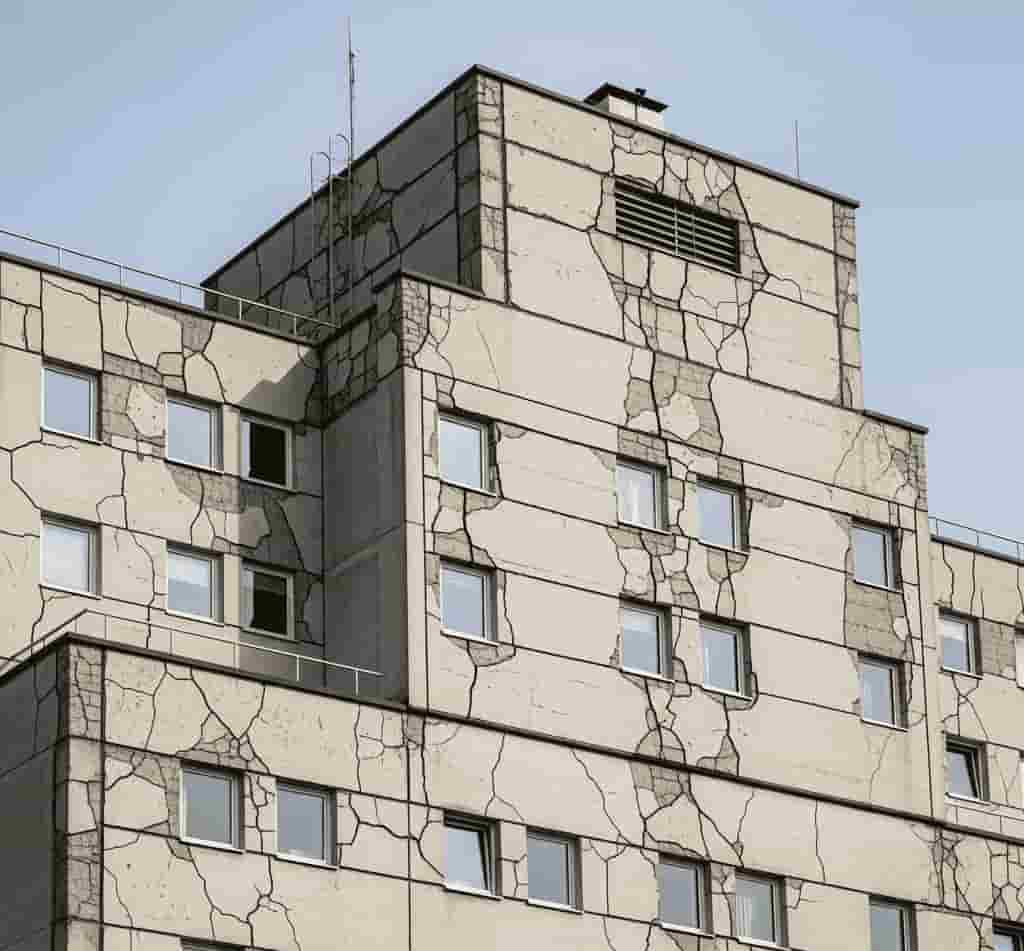
What Story is That Crack in Your Wall Telling You? A Homeowner's Guide
Forensic Engineering • 8 min read
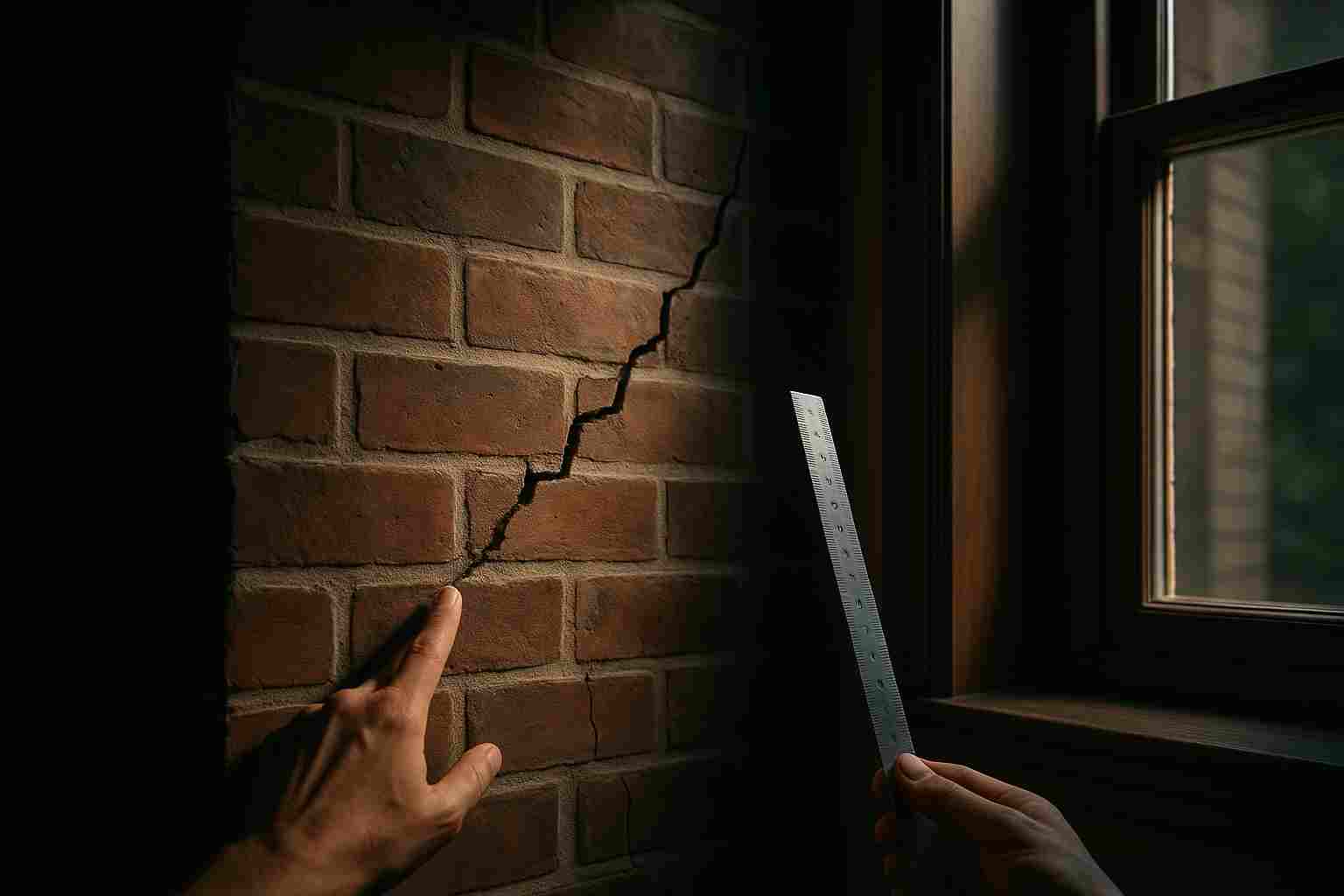
The 5 Telltale Signs of Foundation Issues We See Most Often in Residential Homes
Foundation Engineering • 8 min read