
Is Your Retaining Wall Leaning? The Story of a Structure at War with Gravity
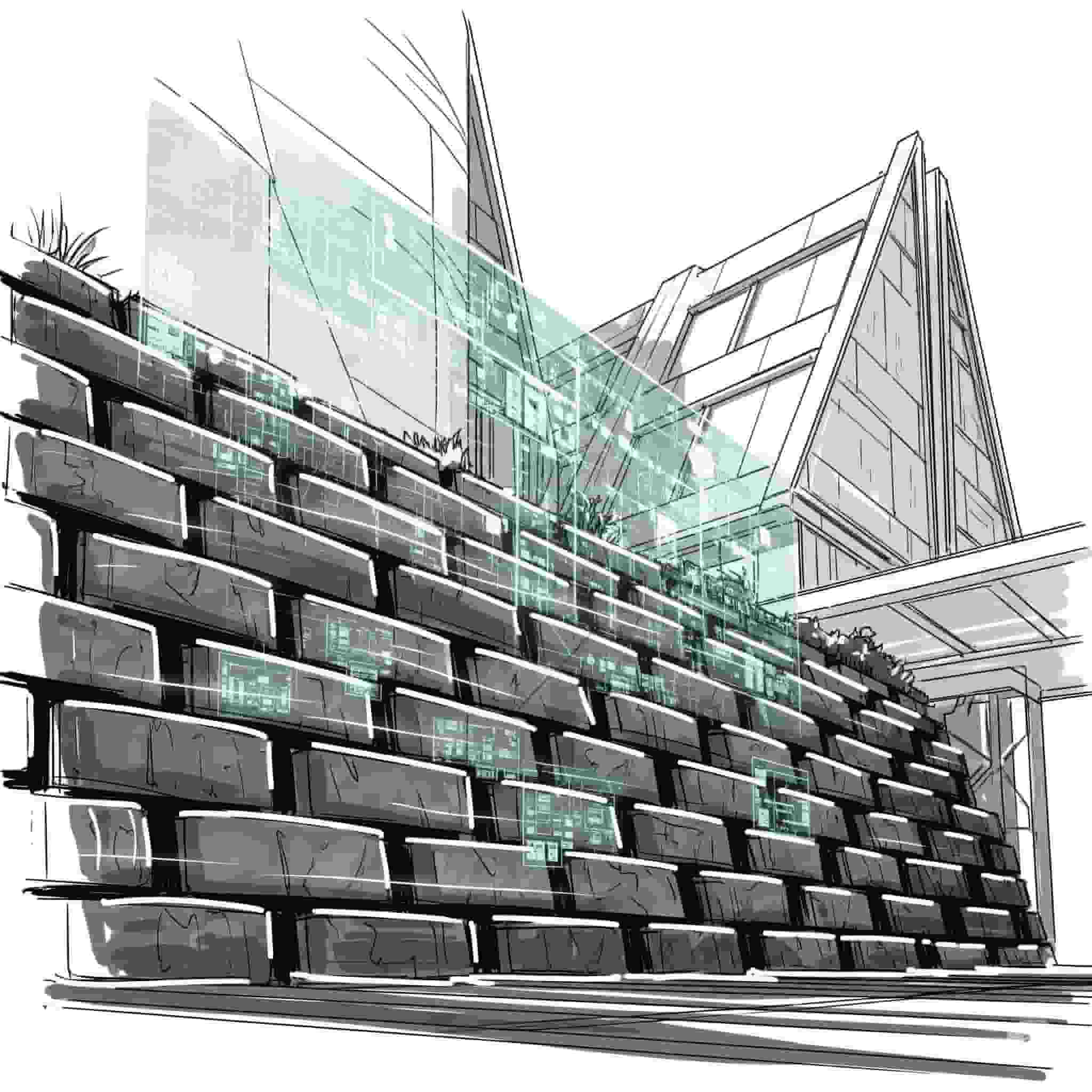
They are the silent workhorses of our landscapes, holding back tones of earth to create level, usable spaces. A well-designed retaining wall is in a constant, quiet battle with gravity and the immense pressure of the soil behind it. But when a wall starts to lose that battle, the signs are anything but quiet. A gentle lean, a new crack, or a subtle bulge are all chapters in a story of escalating structural stress—a story that can end in a sudden, catastrophic, and expensive collapse.
As forensic engineers, we are often called in to read the story of a failing retaining wall. We interpret the clues to understand why the balance of forces has been lost and design a solution to restore stability and safety. Understanding these forces is the key to protecting your property.
The Expert Translation: Why Do Retaining Walls Fail?
A retaining wall failure is almost always a story about water. Soil on its own is heavy, but soil saturated with water is exponentially heavier and behaves more like a liquid. This creates a phenomenon called hydrostatic pressure, which is the single most common cause of retaining wall failure.
A properly designed wall is built to manage this water. It should have:
- Adequate Drainage: A layer of free-draining material (like gravel) directly behind the wall, and "weepholes" or agricultural pipes to allow water to escape.
- A Solid Foundation: A base that is deep and strong enough to prevent the wall from sliding forward or overturning under pressure.
- Sufficient Strength: The wall itself must be designed to withstand the anticipated loads, which may include not just the soil but also "surcharge loads" like a driveway, a swimming pool, or even just a steep slope above the wall.
Failure occurs when one of these elements is inadequate. Poor drainage is the primary villain, allowing hydrostatic pressure to build to a point where it overwhelms the wall's strength and pushes it over.
Reading the Warning Signs: The Clues of a Failing Wall
A retaining wall will almost always tell you a story of distress before it fails completely. Be vigilant for these telltale signs:
- Leaning or Tilting: Any noticeable forward lean is a clear indication that the wall is losing its battle against the pressure behind it.
- Cracking: Horizontal cracks are often a sign of bowing due to excessive pressure. Stepped, diagonal cracks in block walls can indicate foundation movement or a rotational failure.
- Bulging: A convex bulge in the face of the wall shows that the pressure is concentrated in one area and is causing the wall material itself to fail.
- Separation: Gaps opening up between the wall and adjacent structures, like stairs or pavements, are a sign of movement.
The Forensic Investigation: Uncovering the Root Cause
When we investigate a failing retaining wall, we look beyond the symptoms to write the full story of why it's failing. This involves:
Site Assessment
We examine the wall, the surrounding landscape, the drainage systems, and any surcharge loads that might be contributing to the problem.
Design Review
Where possible, we review the original engineering plans to see if the wall was designed in accordance with Australian Standard AS 4678 - Earth-retaining structures.
Geotechnical Analysis
We assess the soil type. Highly reactive clays, for example, can swell when wet, adding significant pressure to the wall. In complex cases, soil testing may be required.
The Path to a Solution: From Analysis to Action
The solution must match the problem. A simple replacement is not enough if the original design flaw is just repeated. Depending on our findings, remediation could involve:
Improving Drainage
Sometimes, the existing wall can be saved by retrofitting a proper drainage system to relieve the hydrostatic pressure.
Strengthening the Wall
This could involve installing "tie-backs" or soil anchors that mechanically tie the wall back into the stable earth behind it.
Complete Redesign and Replacement
In most cases of significant failure, the only safe and lasting solution is a full replacement with a new wall designed by a qualified engineer to handle the specific site conditions and loads. This new design will correctly specify the footing size, material strength, drainage, and reinforcement required for long-term stability.
Don't Ignore the Story Your Wall is Telling
A leaning or cracking retaining wall is not a maintenance issue to be put off; it is a structural warning sign that must be heeded. By seeking an expert engineering assessment early, you can understand the risks and implement a solution before a minor problem becomes a major disaster.
Is your retaining wall showing signs of distress? Contact AZTA Engineering for a Forensic Investigation to get a clear, actionable plan to ensure the safety and stability of your property.
Retaining wall failures represent one of the most dramatic and potentially dangerous structural failures we encounter in our forensic engineering practice. These failures can occur suddenly, causing significant property damage, threatening public safety, and resulting in substantial liability for property owners. Understanding the causes of retaining wall failures and implementing appropriate prevention and remediation strategies is crucial for anyone involved in the design, construction, or ownership of retaining structures.
Understanding Retaining Wall Function and Failure Modes
Retaining walls are designed to resist the lateral pressure of soil, allowing for changes in ground elevation and the creation of usable space. However, these structures are subject to complex loading conditions and can fail in several ways:
Overturning Failure
This occurs when the overturning moment from soil pressure exceeds the resisting moment from the wall's weight and any additional stabilizing forces. The wall essentially tips over backward.
Sliding Failure
The wall slides horizontally along its base when the lateral soil pressure exceeds the friction and passive resistance available at the foundation level.
Bearing Capacity Failure
The foundation soil cannot support the vertical loads from the wall and retained soil, causing the wall to settle or tilt.
Structural Failure
The wall materials (concrete, masonry, timber) fail due to excessive stress, often manifesting as cracking, crushing, or complete collapse of wall elements.
Global Stability Failure
A deep-seated failure where the entire wall and a significant portion of the retained soil mass move together along a failure surface.
Common Causes of Retaining Wall Failures
Inadequate Design
Many retaining wall failures can be traced to design deficiencies:
- Underestimation of soil pressures and surcharge loads
- Inadequate consideration of groundwater conditions
- Insufficient foundation depth or bearing capacity
- Lack of proper drainage provisions
- Failure to account for seismic loads in earthquake-prone areas
Poor Construction Practices
- Inadequate compaction of backfill material
- Use of inappropriate backfill materials
- Poor concrete placement and curing
- Insufficient reinforcement or incorrect placement
- Failure to install drainage systems as designed
Drainage Problems
Water is often the primary culprit in retaining wall failures:
- Blocked or inadequate drainage systems
- Hydrostatic pressure from groundwater
- Surface water infiltration increasing soil weight and pressure
External Factors
- Surcharge loads from buildings, vehicles, or stored materials
- Excavation or construction activities near the wall
- Changes in groundwater levels
- Seismic activity
- Erosion of foundation soils
Case Study: Residential Retaining Wall Collapse
We recently investigated a catastrophic retaining wall failure at a residential property in Melbourne's eastern suburbs. The 3-meter high concrete block wall had been constructed 15 years earlier to create a level backyard on a sloping site. The wall collapsed suddenly during a period of heavy rainfall.
Our investigation revealed multiple contributing factors:
Design Issues
- The wall was designed as a gravity wall but lacked sufficient mass for the retained height
- No engineering calculations were provided for the original design
- Drainage provisions were inadequate for the site conditions
Construction Defects
- Foundation depth was insufficient for the wall height
- Backfill consisted of clay soil rather than free-draining material
- Drainage pipes were installed but not connected to an outlet
- No filter fabric was installed behind the wall
Triggering Event
- Heavy rainfall saturated the clay backfill
- Blocked drainage caused hydrostatic pressure buildup
- The combination of increased soil weight and water pressure exceeded the wall's capacity
The remediation required complete reconstruction of the wall with proper engineering design. Inadequate initial design can lead to catastrophic failure and much higher ultimate costs.
Warning Signs of Retaining Wall Distress
Property owners should monitor retaining walls for these warning signs:
Structural Indicators
- Cracks in the wall face, particularly horizontal or stepped cracks
- Tilting or leaning of the wall
- Bulging or bowing of the wall face
- Separation between wall sections or at joints
- Displacement of coping stones or cap elements
Drainage Issues
- Water seepage through the wall face
- Efflorescence (white mineral deposits) on the wall
- Wet areas at the base of the wall
- Blocked or damaged weep holes
- Erosion of soil around the wall base
Ground Movement
- Settlement or cracking of paved areas behind the wall
- Tilting of fences or other structures near the wall
- Sinkholes or depressions in the retained soil
- Changes in the ground level behind the wall
Professional Assessment and Analysis
When retaining wall problems are suspected, professional assessment is essential. Our forensic analysis typically includes:
Site Investigation
- Survey of wall and floor condition
- Assessment of drainage systems and their effectiveness
- Identification of surcharge loads and external factors
Stability Analysis
- Assessment of overturning, sliding, and bearing capacity
- Evaluation of global stability
- Structural assessment of wall elements
Failure Mode Identification
- Determination of the primary failure mechanism
- Assessment of contributing factors
- Evaluation of the likelihood of progressive failure
Remediation Strategies
The appropriate remediation strategy depends on the failure mode, extent of damage, and site constraints:
Drainage Improvements
Often the most cost-effective solution for walls with adequate structural capacity:
- Installation or repair of drainage systems
- Replacement of backfill with free-draining material
- Installation of filter fabric and drainage blankets
- Surface water management improvements
Structural Strengthening
- Installation of tiebacks or soil anchors
- Construction of buttresses or counterfort walls
- Reinforcement of existing wall elements
- Installation of additional foundations or piles
Reconstruction
For severely damaged or inadequately designed walls:
- Complete replacement with properly engineered design
- Alternative retaining systems (e.g., reinforced earth, gabions)
Prevention Through Proper Design and Construction
Design Considerations
- Geotechnical investigation
- Appropriate selection of design parameters
- Consideration of all loading conditions
- Adequate factors of safety for all failure modes
- Proper drainage design
Construction Best Practices
- Quality control during construction
- Use of appropriate materials
- Proper compaction and placement procedures
- Installation of drainage systems as designed
- Regular inspection during construction
Maintenance Requirements
- Regular inspection for signs of distress
- Maintenance of drainage systems
- Prompt repair of minor defects
- Monitoring of groundwater conditions
- Control of surcharge loads
Regulatory and Legal Considerations
Retaining wall failures can have significant legal implications:
- Liability for damage to adjacent properties
- Compliance with building codes and standards
- Professional liability for design and construction
- Insurance coverage and claim procedures
- Council enforcement and safety orders
Conclusion
Retaining wall failures are serious events that can be prevented through proper design, construction, and maintenance. Understanding the causes of failure and recognizing warning signs early can prevent catastrophic collapse and the associated costs and liabilities.
At AZTA Engineering, our forensic investigations of retaining wall failures provide valuable insights into failure mechanisms and effective remediation strategies. Whether assessing an existing wall showing signs of distress or designing remediation for a failed structure, our expertise helps ensure safe and cost-effective solutions.
Remember: retaining walls are critical safety structures. When in doubt, seek professional assessment to protect both property and public safety.
AK
Forensic Structural Engineer at AZTA Engineering with over 7 years of experience in structural investigation and building assessment across Australia.
Related Articles

Is Your Soil Silently Damaging Your Home's Foundation? A Guide to Reactive Clay
Foundation Engineering • 7 min read
Your Property's Most Important System: A Homeowner's Guide to Stormwater Management
Civil Engineering • 9 min read
What Story is That Crack in Your Wall Telling You? A Homeowner's Guide
Forensic Engineering • 8 min read
What is This Ugly Stain? A Homeowner's Guide to 'Concrete Cancer' (Spalling)
Structural Deterioration • 8 min read
The 5 Telltale Signs of Foundation Issues We See Most Often in Residential Homes
Foundation Engineering • 8 min read