
The Story of a Leak: Why Water is Getting Inside Your Building and How to Stop It

It’s one of the most stressful discoveries a property owner can make: a water stain spreading across a ceiling, dampness at the base of a wall, or mould appearing in a corner. A leak is more than just a cosmetic problem; it’s a sign that your building’s primary line of defence has been breached. It’s the start of a story that can lead to rotting structural timber, concrete cancer, and serious health hazards.
This primary defence is what engineers call the "building envelope"—the complete system of roofs, walls, windows, and doors that separates the interior from the exterior environment. As forensic engineers, a huge portion of our work involves reading the story of a leak, tracing it back through the complex layers of the envelope to find the point of failure and designing a robust, lasting repair.
The Expert Translation: What is the Building Envelope?
Think of the building envelope as your home’s high-tech raincoat. It’s not just one thing, but an integrated system of different components, all designed to work together to control the movement of water, air, and heat. A failure in any single component, or more commonly, at the junction between two components, can compromise the entire system.
Water is a relentless investigator; it will exploit any flaw, no matter how small. The most common and damaging building defects in Australia are overwhelmingly related to water ingress and waterproofing failures.
The Common Villains: Where Most Leaks Begin
While a leak can seem to appear anywhere, our investigations consistently find that the story begins in one of a few common weak points in the building envelope. These are often areas where different materials and trades meet, and the detailing is critical.
Roofing and Flashing Failures
Damaged roof tiles or sheets are an obvious culprit, but more often the leak originates at a flashing—the metal components used to seal junctions. Failures are common around chimneys, skylights, vents, and where a roof meets a wall.
Window and Door Installation Defects
A window or door is a hole in your wall that must be perfectly sealed. If the surrounding flashings are missing or incorrectly installed, they can create a direct path for wind-driven rain to enter the wall cavity, where it can cause hidden damage for years before it becomes visible inside.
Balcony and Wet Area Waterproofing Failures
Balconies are notoriously high-risk areas. A failed waterproofing membrane, an incorrectly installed drain (puddle flange), or an inadequate "upstand" of the membrane against a wall or door can all lead to serious leaks into the rooms below.
Masonry and Cladding Issues
In brickwork, missing or blocked "weepholes" can trap water inside the wall cavity instead of letting it drain out. Cracks in render or gaps in cladding panels can also allow water to bypass the primary weather barrier.
The Forensic Investigation: Tracing the Story of a Leak
Finding the source of a water leak can be like detective work. The location of the internal stain is often far from the actual entry point, as water can travel a long way along structural elements before it finally appears.
Our investigation is a systematic process of elimination:
- Initial Assessment: We start by examining the location and nature of the internal damage and reviewing the building's design.
- Exterior Inspection: We meticulously inspect the building envelope in the vicinity of the leak, looking for the common failure points listed above.
- Water Testing: If the source is not obvious, we may need to conduct controlled water testing. This involves systematically applying water to specific external junctions while an observer monitors the interior, allowing us to pinpoint the exact failure location.
The Solution: More Than Just a Patch
A successful repair must do more than just patch the symptom; it must fix the underlying envelope failure. Simply applying a dab of silicone over a crack is a temporary fix at best. A robust, long-term solution, designed by an engineer, will address the root cause. This might involve:
- Replacing faulty flashings with new, correctly detailed ones.
- Removing and reinstalling windows with a compliant flashing system.
- Stripping a balcony, applying a new waterproofing membrane system that complies with AS 4654, and re-tiling.
- Clearing blocked weepholes and, in some cases, retrofitting new ones.
From a Damaging Leak to a Resilient Building
Water ingress is a story you must never ignore. By understanding that your building is a complete system—an envelope—you can appreciate that a small flaw can have major consequences. An expert forensic investigation provides the clarity needed to identify the true source of the problem and implement a repair that restores the integrity of your building's primary defence.
Struggling with a persistent leak? Contact AZTA Engineering for a Forensic Investigation to trace the source and get a definitive plan for a lasting repair.
Building Envelope Fundamentals
The building envelope serves as the critical barrier between the interior and exterior environments, protecting occupants and building contents from weather, moisture, and environmental conditions. When this envelope fails, the consequences can be severe, ranging from minor cosmetic damage to major structural deterioration and health hazards. As forensic structural engineers, we regularly investigate building envelope failures and have developed comprehensive strategies for both prevention and remediation.
The building envelope consists of all the physical barriers between the interior and exterior of a building, including walls, roofs, windows, doors, and foundations. Each component must work together to create a continuous barrier against water, air, and thermal transfer. The envelope serves four primary functions:
- Weather Protection: Preventing rain, wind, and snow from entering the building
- Thermal Control: Maintaining comfortable interior temperatures and energy efficiency
- Air Barrier: Controlling air movement to prevent drafts and moisture problems
- Vapor Control: Managing moisture vapor to prevent condensation and mold growth
Common Causes of Building Envelope Failures
Design Deficiencies
Many envelope failures originate from inadequate design that fails to account for local climate conditions, building movement, or proper detailing. Common design issues include:
- Insufficient weatherproofing details at junctions and penetrations
- Inadequate drainage provisions
- Poor material selection for local conditions
- Failure to accommodate thermal and structural movement
Construction Defects
Even well-designed envelopes can fail due to poor construction practices:
- Improper installation of weatherproofing membranes
- Inadequate sealing of joints and penetrations
- Poor workmanship in critical details
- Use of incompatible materials
Material Deterioration
Over time, envelope materials naturally deteriorate due to:
- UV exposure causing polymer degradation
- Thermal cycling leading to material fatigue
- Chemical attack from pollutants or cleaning products
- Physical damage from weather events or maintenance activities
Early Warning Signs of Envelope Failure
Identifying envelope problems early can prevent minor issues from becoming major failures. Property owners should watch for:
Visible Water Damage
- Water stains on ceilings or walls
- Peeling paint or wallpaper
- Rust stains or mineral deposits
- Mold growth or musty odors
Structural Indicators
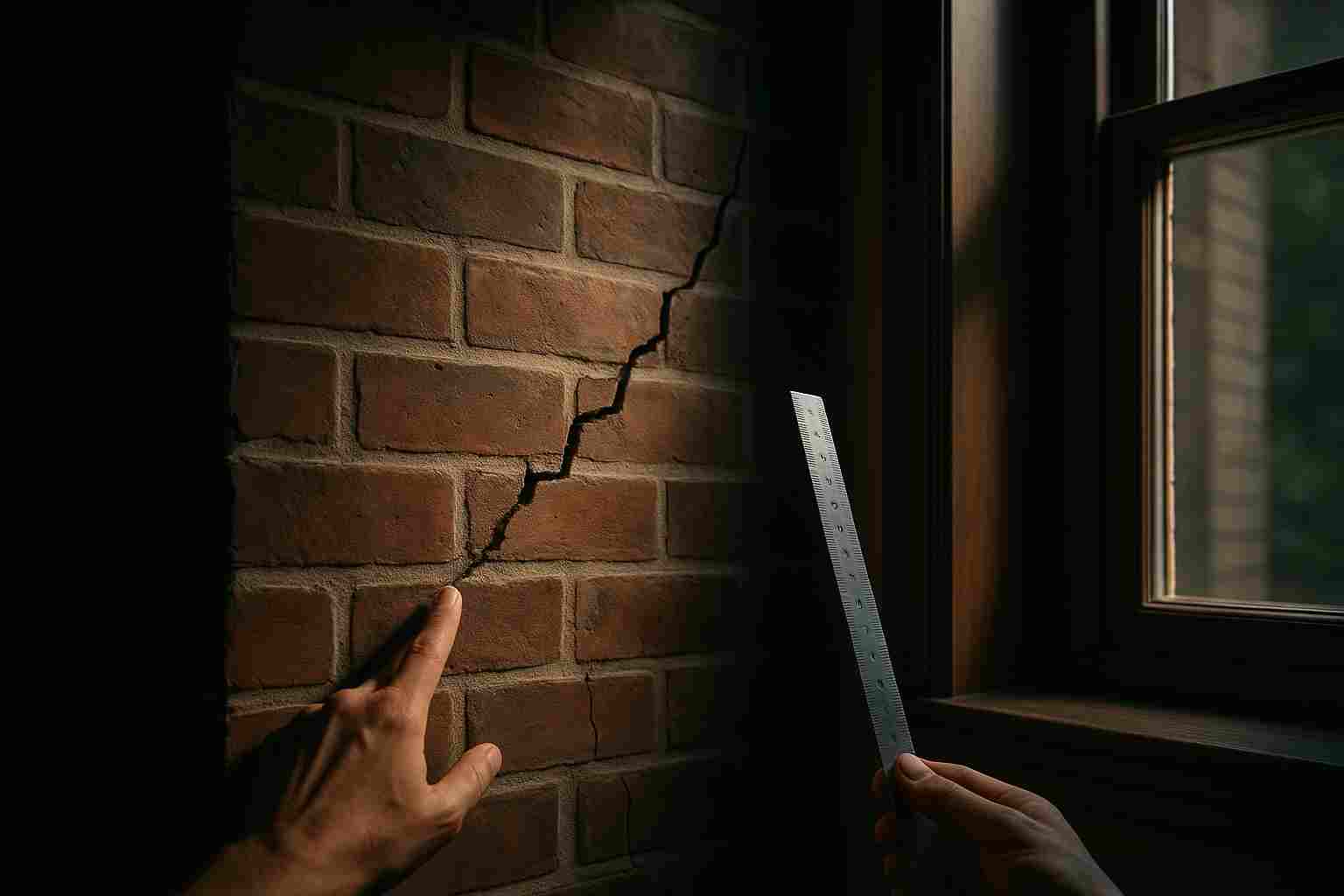
- Cracks in walls, particularly around openings
- Gaps in sealant joints
- Loose or missing cladding elements
- Deteriorated mortar joints in masonry
Performance Issues
- Increased heating or cooling costs
- Drafts or temperature variations
- Condensation on windows or walls
Prevention Strategies
Design Phase
- Engage experienced envelope consultants early in the design process
- Conduct climate analysis to understand local weather patterns
- Design redundant weather barriers and drainage systems
- Specify high-quality materials appropriate for the environment
- Detail all critical junctions and penetrations
Construction Phase
- Implement quality control procedures for envelope installation
- Conduct water testing of critical assemblies
- Engage trained professionals for installation
- Document installation procedures and materials used
- Perform regular inspections during construction
Operational Phase
- Develop comprehensive maintenance programs
- Conduct regular envelope inspections
- Address minor issues promptly before they escalate
- Monitor building performance and energy consumption
- Update maintenance procedures based on performance data
Remediation Approaches
When envelope failures occur, the remediation approach depends on the extent and cause of the problem:
Localized Repairs
For minor, localized failures:
- Re-seal specific joints or penetrations
- Replace damaged cladding elements
- Repair or replace weatherproofing membranes
- Clear blocked drainage systems
Systematic Remediation
For widespread failures:
- Complete envelope system replacement
- Installation of new weather barriers
- Upgrade of drainage and ventilation systems
- Structural repairs to address water damage
The Role of Building Codes and Standards
Australian building codes and standards provide minimum requirements for envelope performance, but these may not be sufficient for all conditions. Key standards include:
- National Construction Code (NCC) requirements for weather resistance
- Australian Standards for specific envelope components
- Industry guidelines for installation and testing
- Energy efficiency requirements under the NCC
Conclusion
Building envelope failures represent one of the most significant risks to building performance and occupant comfort. Through proper design, quality construction, and proactive maintenance, most envelope problems can be prevented. When failures do occur, early intervention is crucial to minimize damage and repair costs.
At AZTA Engineering, our forensic investigations of envelope failures inform our approach to both remediation and prevention. We understand how envelopes fail and use this knowledge to help clients protect their buildings from water ingress and associated problems.
Remember: the building envelope is your first line of defense against the elements. Investing in proper design, construction, and maintenance of this critical building system will pay dividends in performance, durability, and occupant satisfaction for decades to come.
AK
Forensic Structural Engineer at AZTA Engineering with over 7 years of experience in structural investigation and building assessment across Australia.
Related Articles

Is Your Soil Silently Damaging Your Home's Foundation? A Guide to Reactive Clay
Foundation Engineering • 7 min read
Your Property's Most Important System: A Homeowner's Guide to Stormwater Management
Civil Engineering • 9 min read
What Story is That Crack in Your Wall Telling You? A Homeowner's Guide
Forensic Engineering • 8 min read
What is This Ugly Stain? A Homeowner's Guide to 'Concrete Cancer' (Spalling)
Structural Deterioration • 8 min read
The 5 Telltale Signs of Foundation Issues We See Most Often in Residential Homes
Foundation Engineering • 8 min read