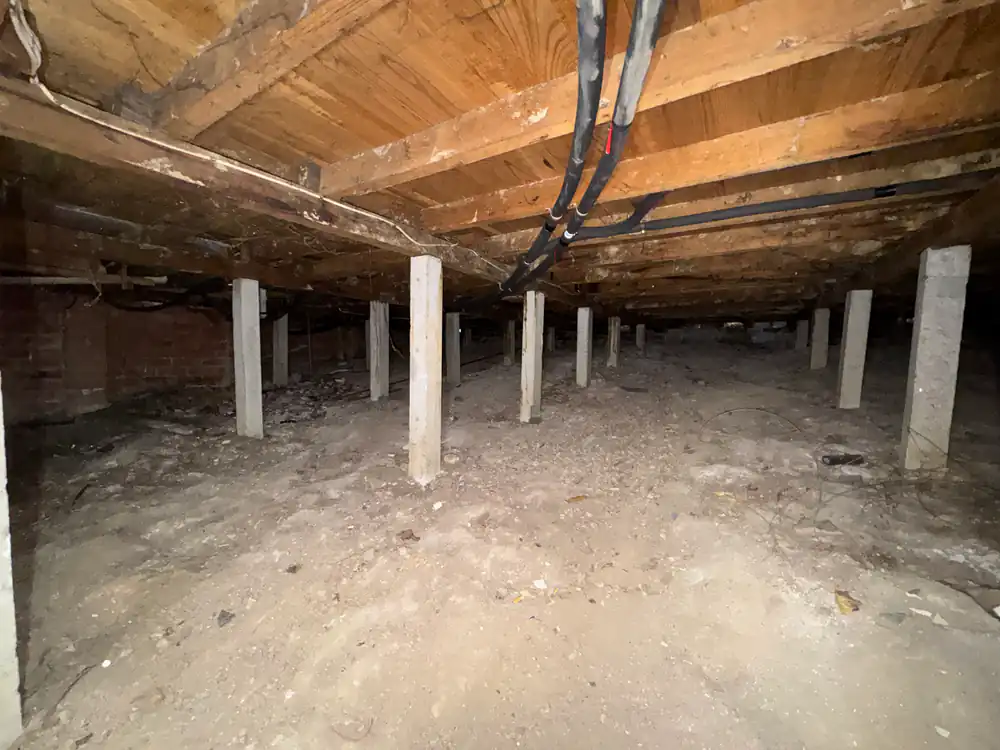
Why Can a House on Stumps Become Uneven, and What Else Needs Checking?
An uneven timber floor may involve timber condition, support movement or both. Learn why stump, bracing and ground checks answer different questions.
Expert insights on structural engineering, forensic investigations, and building assessments from Melbourne's leading forensic structural engineers.

An uneven timber floor may involve timber condition, support movement or both. Learn why stump, bracing and ground checks answer different questions.
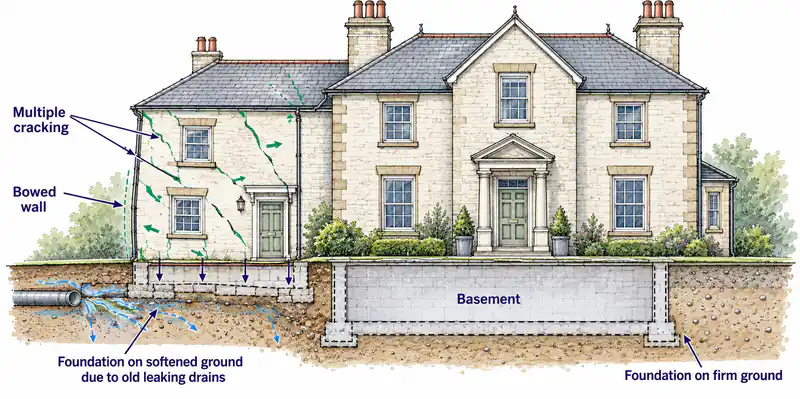
Compare the purposes of building repairs, drainage, tree management, ground treatment and underpinning, with the questions behind a justified proposal.

Compare repair scope, future movement assumptions and evidence of performance before treating quotations as equivalent.

Before accepting a damp-treatment quote, ask how the water source, building materials, drying and concealed areas have been investigated.

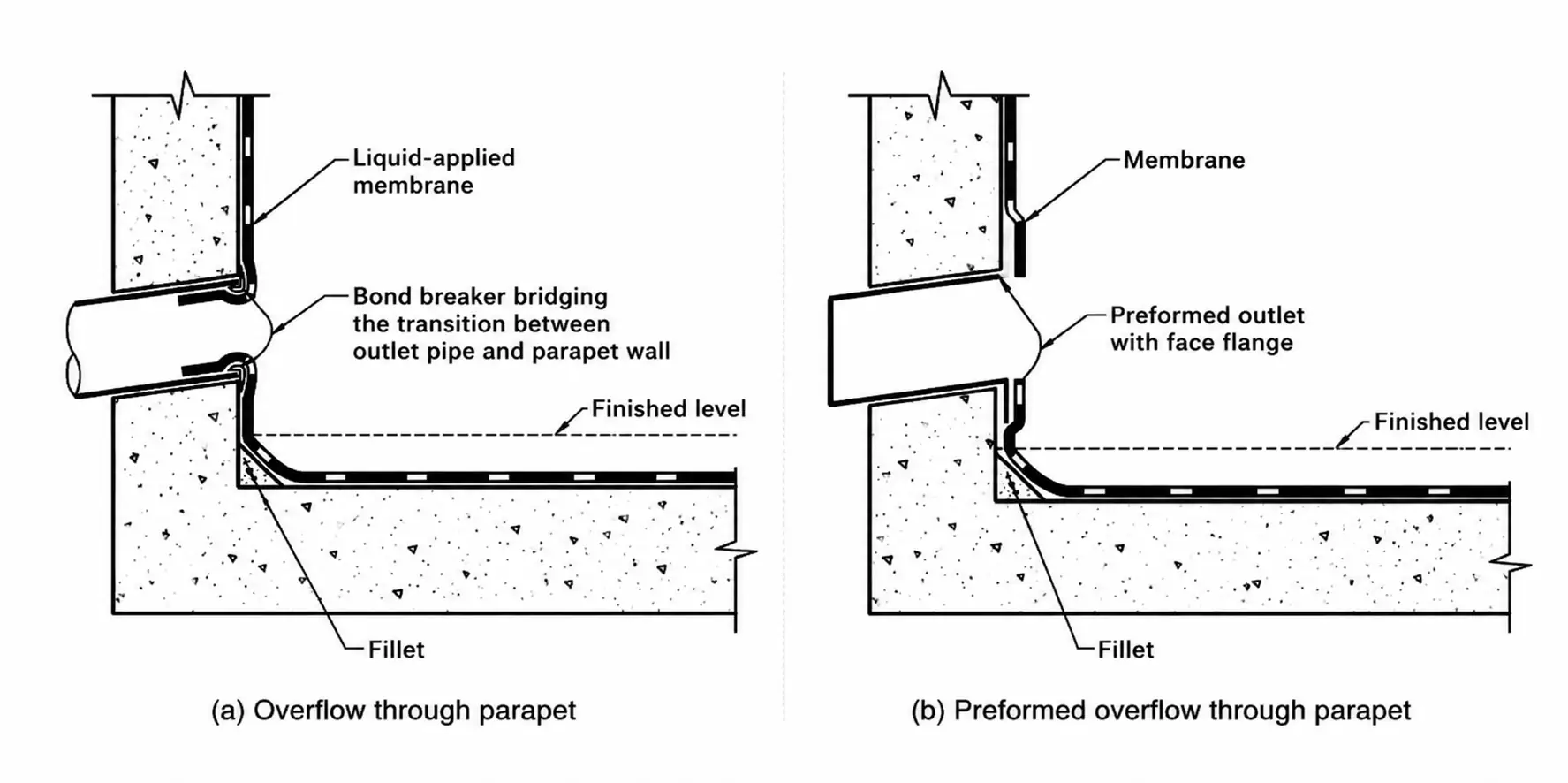
Cleaning or resealing may miss a water route. Learn what to record about outlets, overflows, junctions and earlier repairs when a building leak returns.

Understand how DPC continuity, compatible materials, openings and external levels fit the wall drainage route.

Record balcony leaks, ponding, overflow details and deck damage clearly. Keep water paths, surface-tension exceptions and timber conditions separately identified.

How an investigation compares storm dates, weather records, repairs and physical damage, and why event timing alone cannot establish the cause.

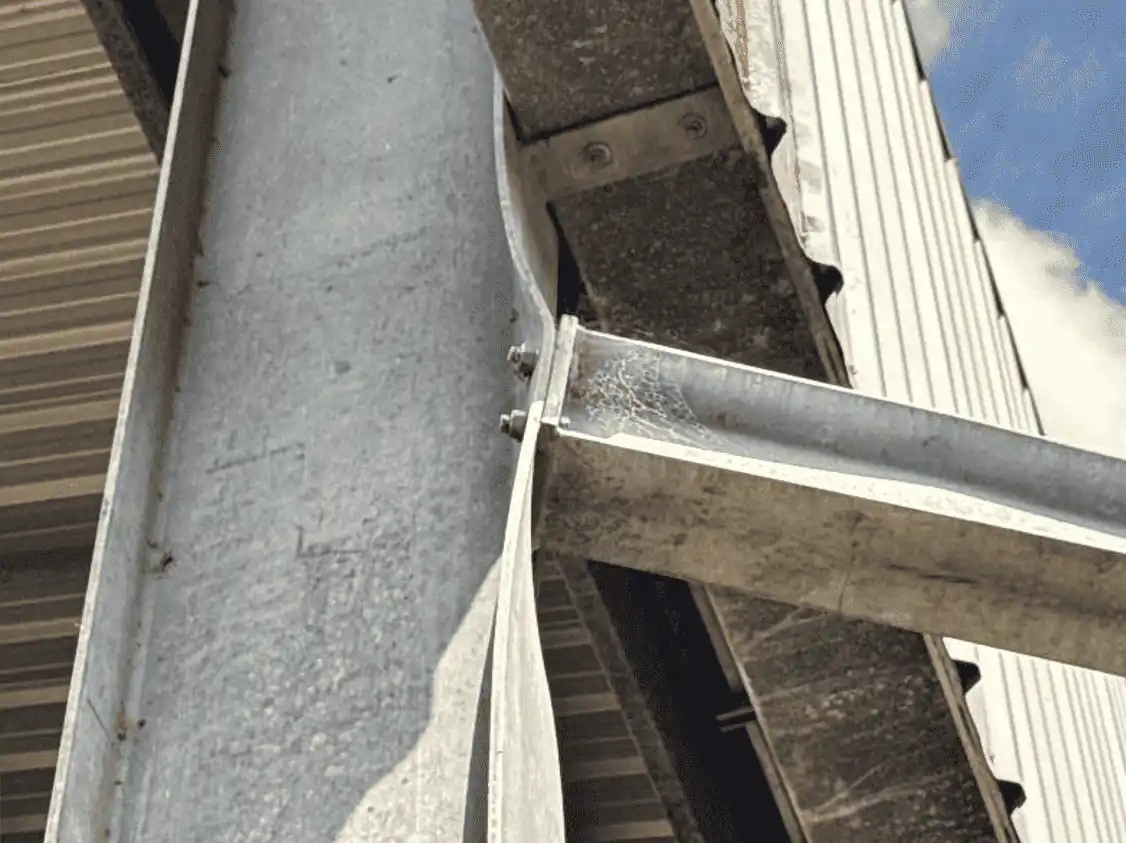
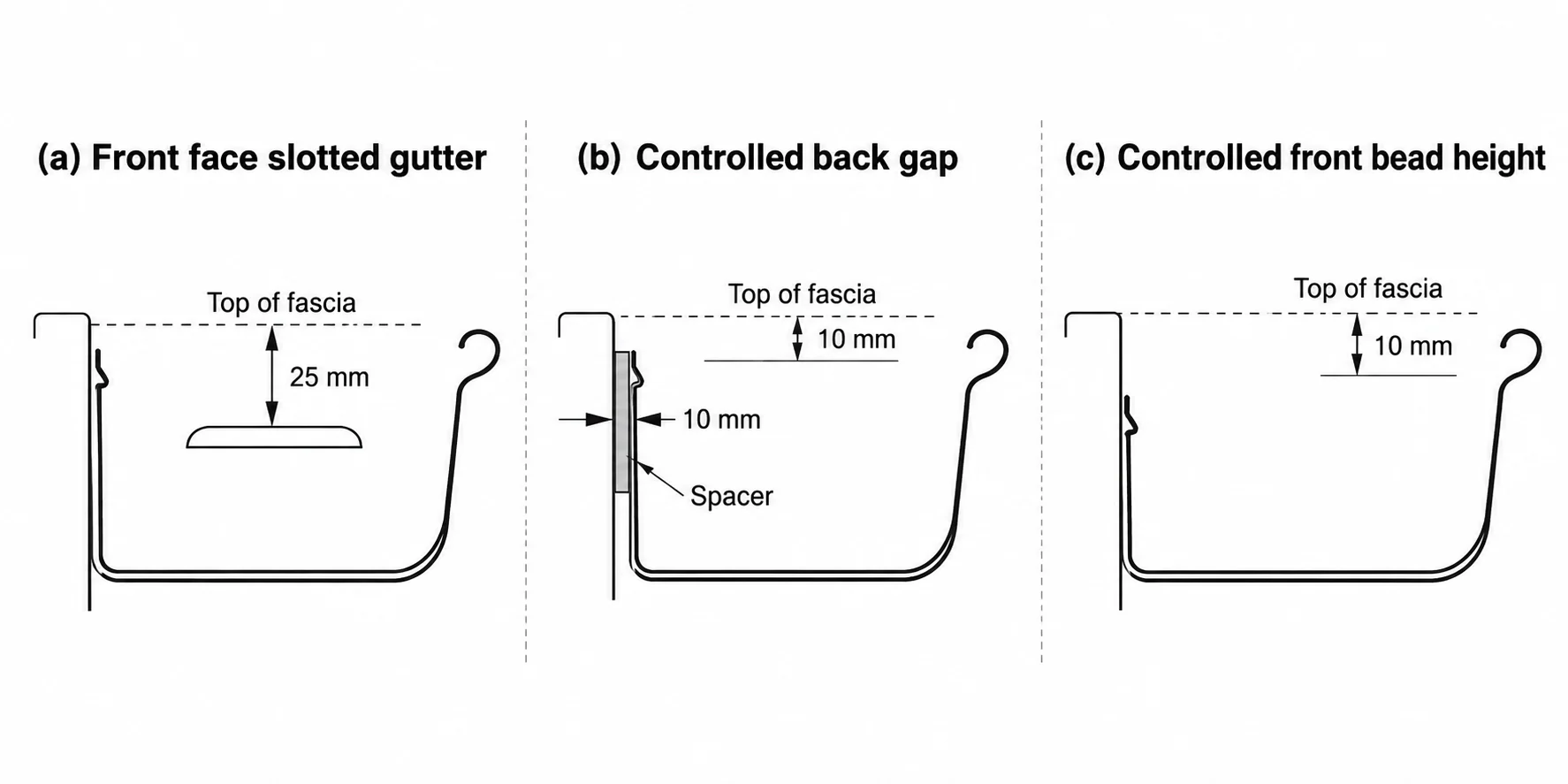
Gutters and downpipes need a suitable overflow route. Understand catchments, outlet placement and why upper roofs can affect drainage on lower roofs.

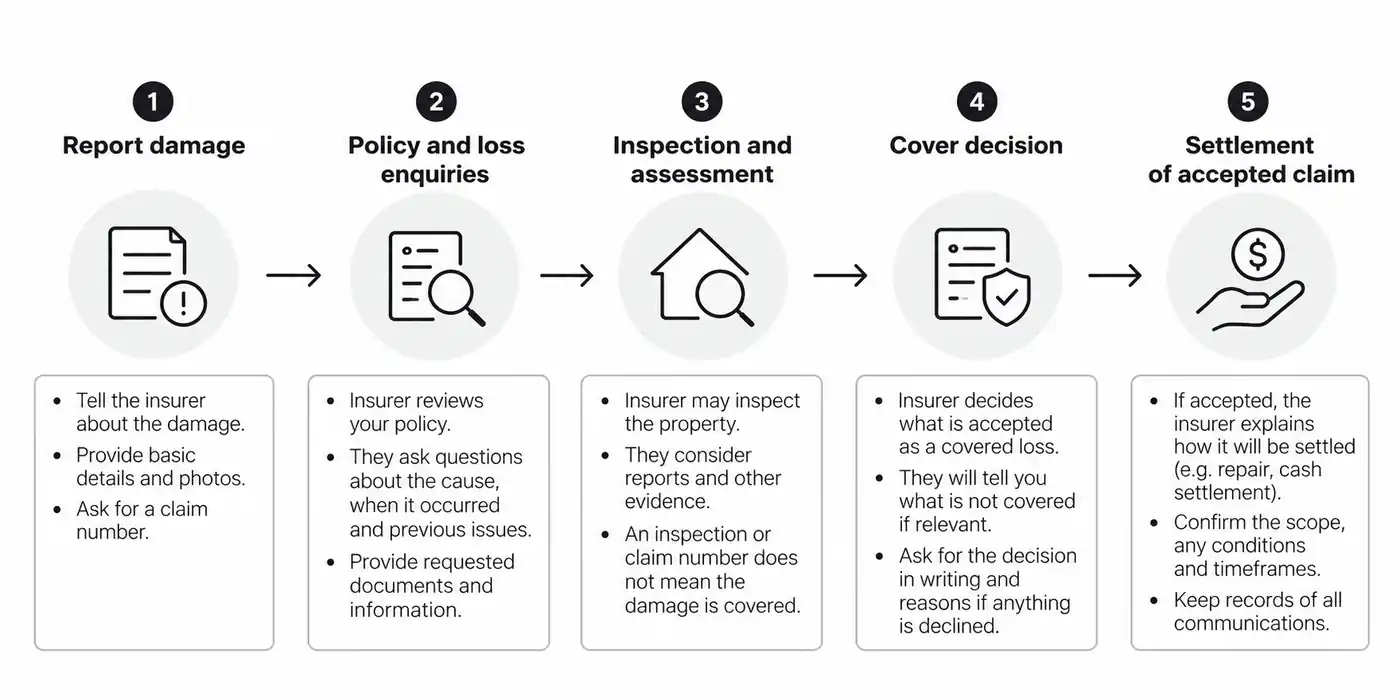
Understand the stages of a home building insurance claim, who to contact and what to clarify about assessment, decisions, repairs and settlement.

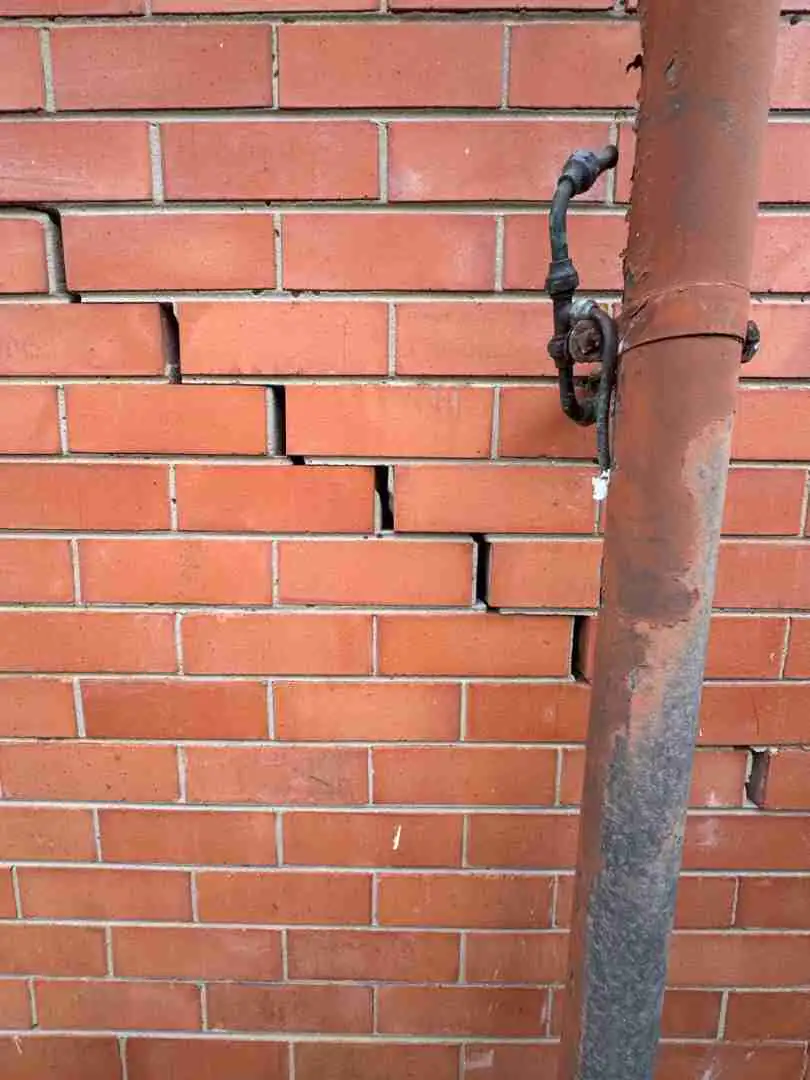
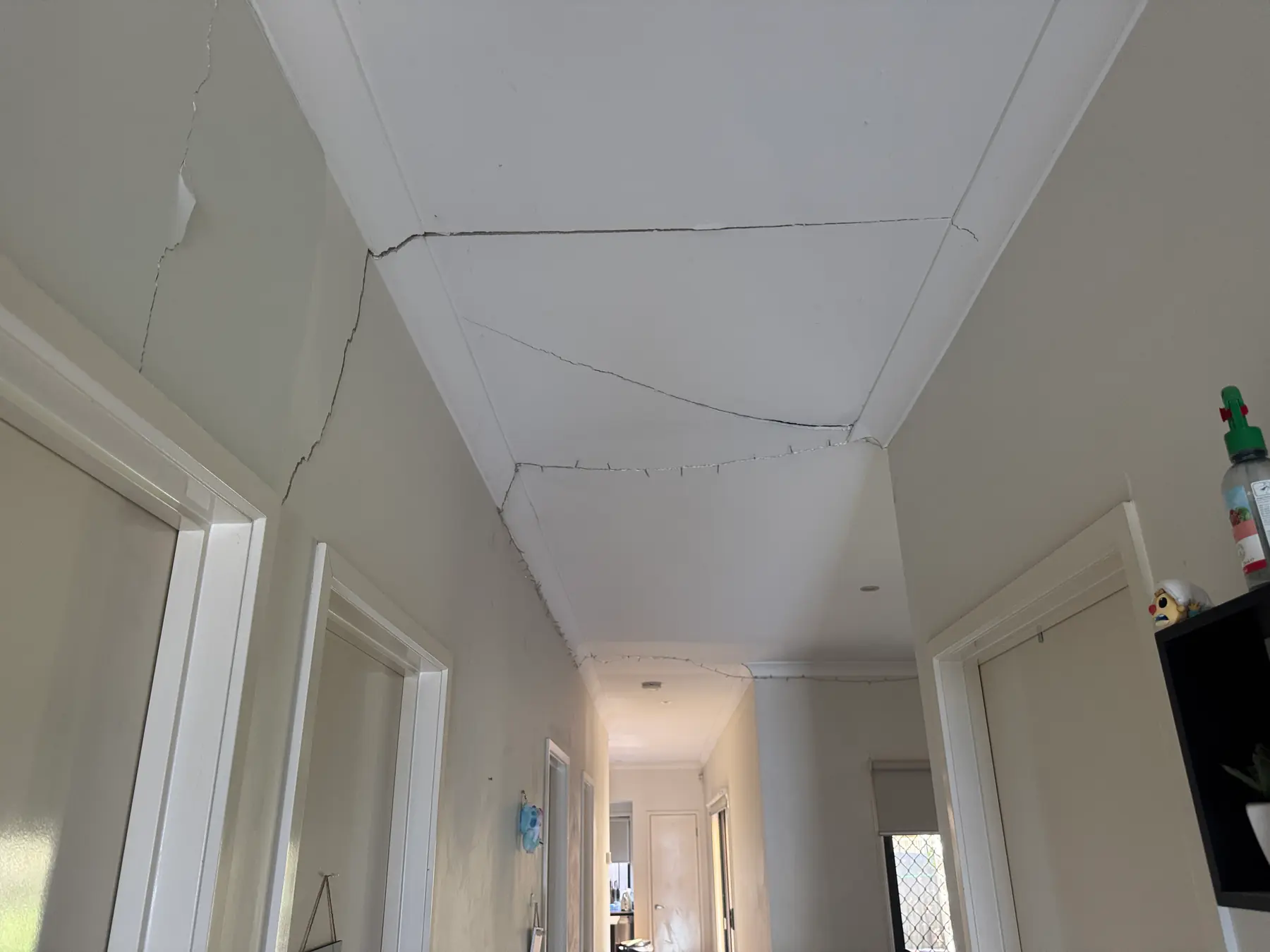
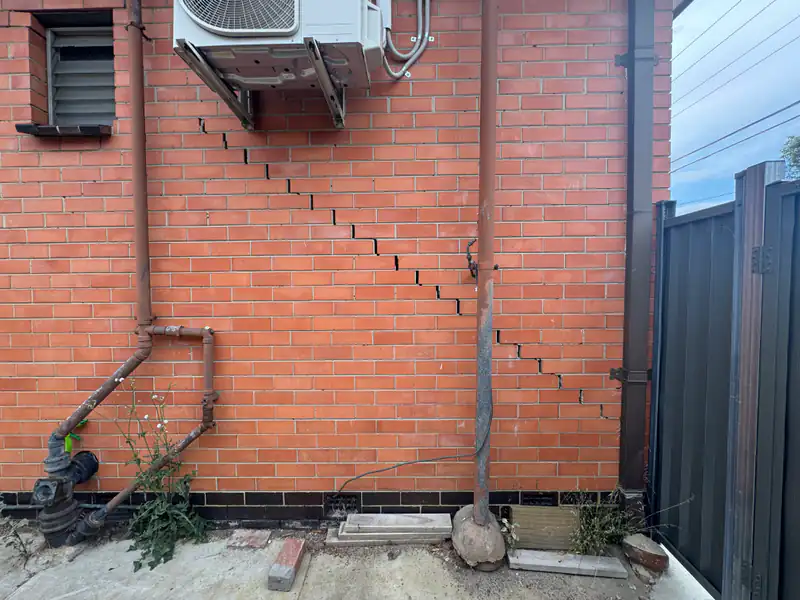
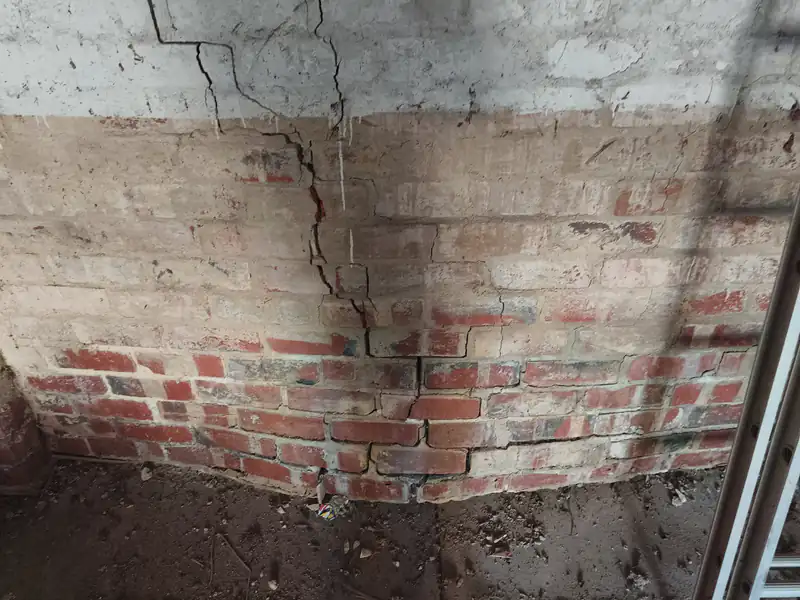
Explore how drying, temperature, chemical change, loading and deterioration can crack a house, and why a crack alone does not establish subsidence.

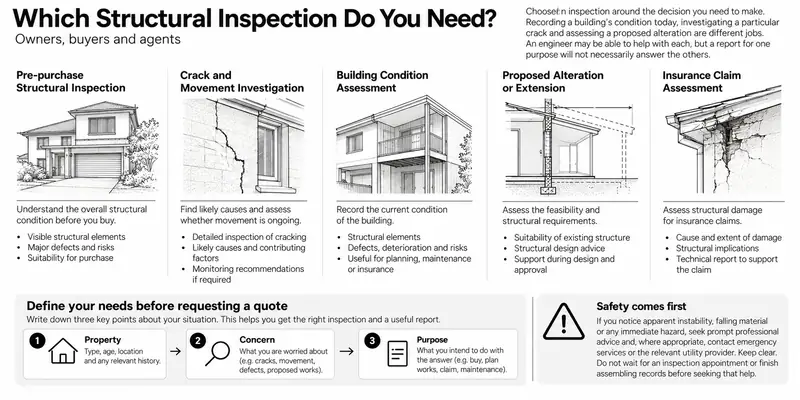
A condition snapshot, a crack investigation and an assessment before alterations answer different questions. Agree what will be inspected, who will interpret the findings and what the report needs to explain.
Crack readings, building levels and sideways ground records measure different things. Learn how purpose, references and time affect their meaning.

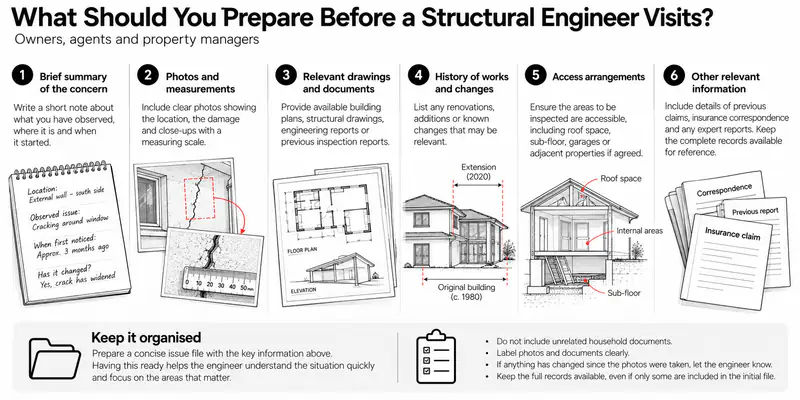
A concise issue file gives an engineer a clearer starting point. Connect a plan, original photographs, repair history and dated observations, then confirm access restrictions and the questions the visit must answer.

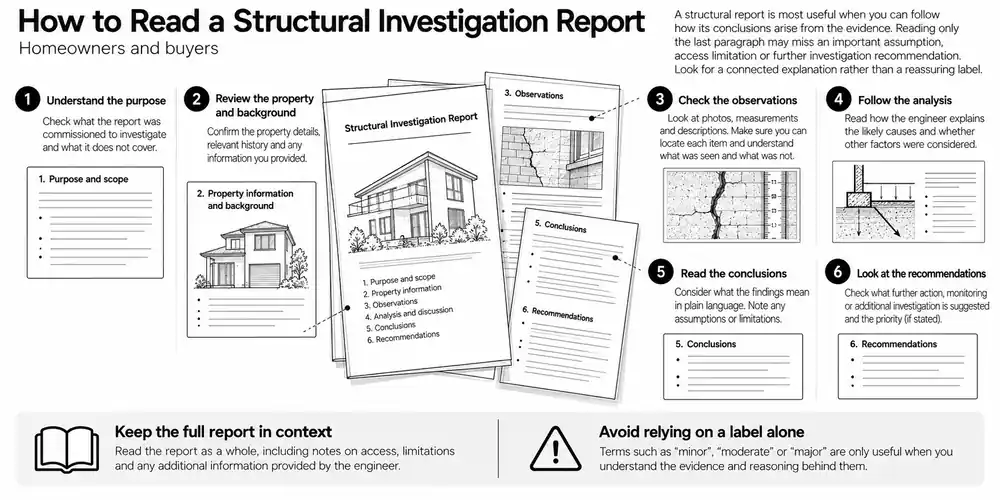
Read a structural investigation report from scope to evidence, reasoning and limitations. Check future assumptions and separate opinion from certification or repair design.

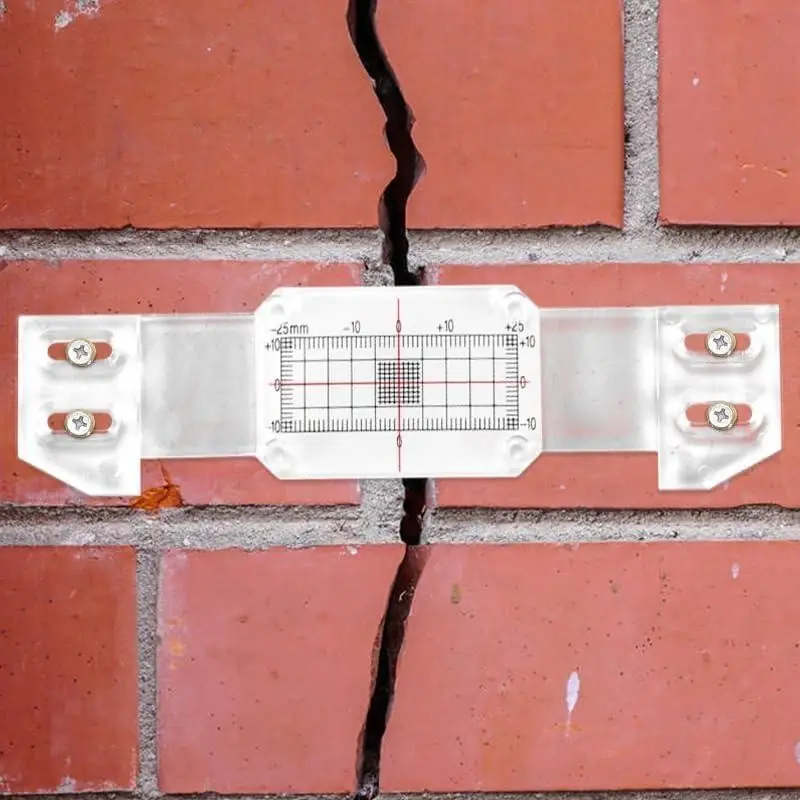
Is a wall crack changing? Compare the same measuring point, photographs and related symptoms, and understand why one unchanged reading cannot prove stability.

Record where doors stick, window gaps and nearby cracks, with dates and earlier adjustments. Functional changes are evidence, not proof of a structural cause.

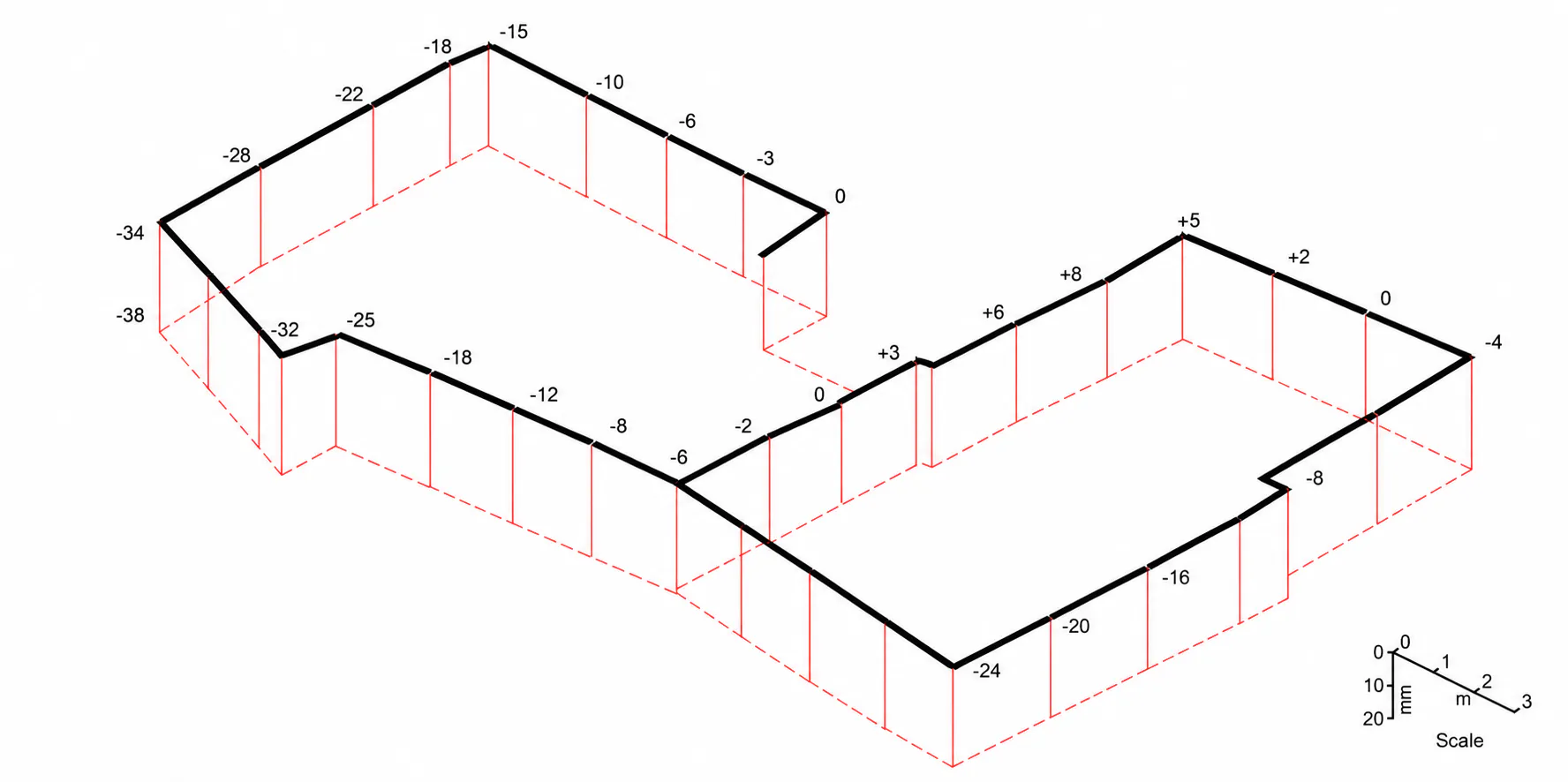
An uneven floor survey records shape, not when or why movement occurred. Learn why datums, wall alignment, history and repeat measurements matter.
11-28 of 42
Show more