
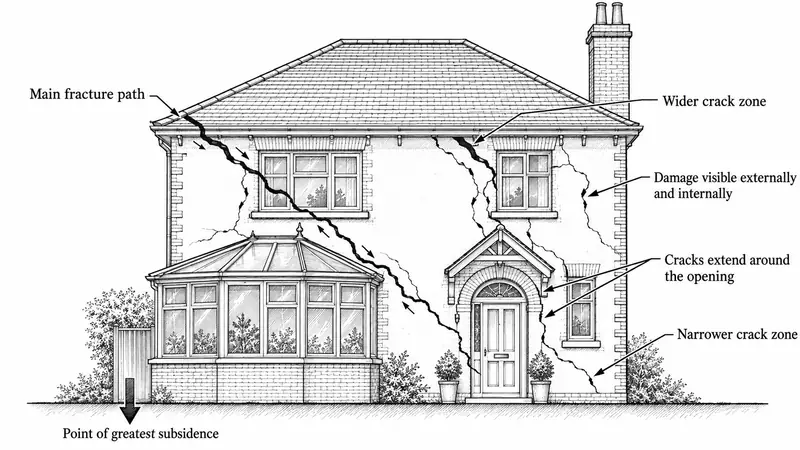
Monitoring and Evidence3 min read
How to Make a Crack Map an Engineer Can Use
Make a crack map using a clear plan, stable issue IDs and named measuring points. Link photographs and related symptoms so an engineer can follow the record.
Expert insights on structural engineering, forensic investigations, and building assessments from Melbourne's leading forensic structural engineers.
Make a crack map using a clear plan, stable issue IDs and named measuring points. Link photographs and related symptoms so an engineer can follow the record.
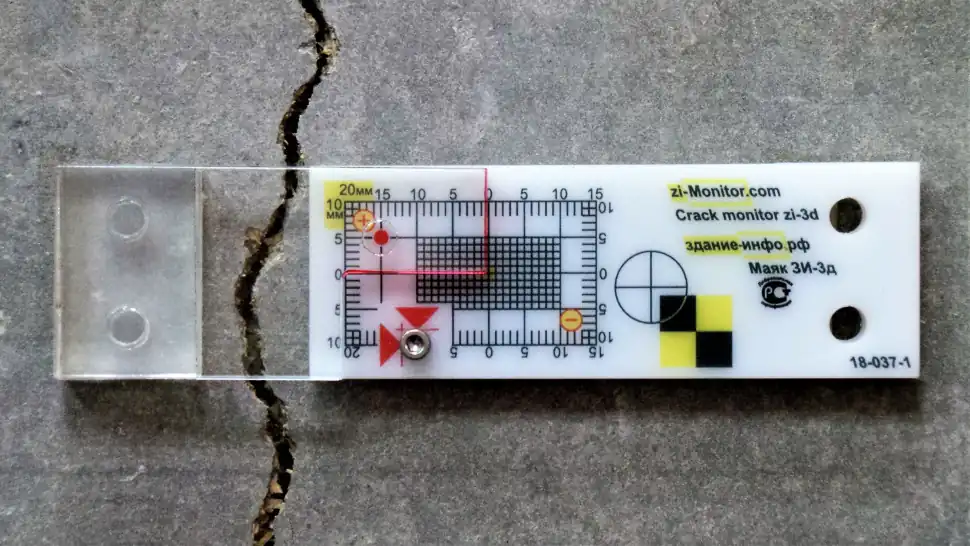
Keep crack measurements comparable with fixed points, consistent methods, dates and photo references. Record uncertain readings and know when to request review.
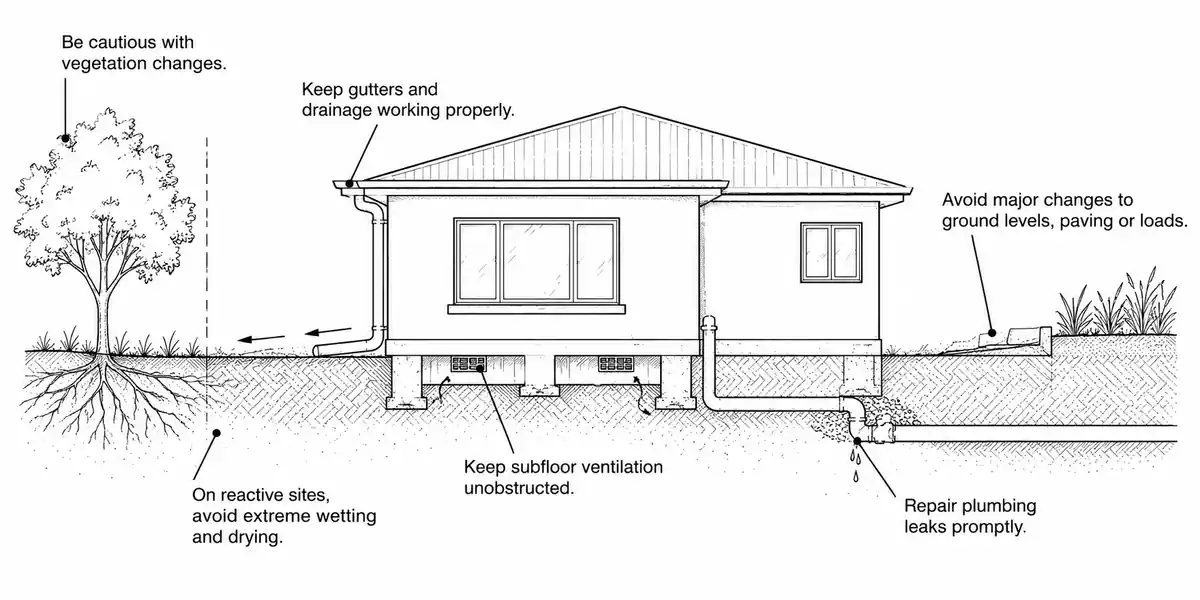
Keep drainage, ground changes and maintenance records together. Understand why a new subsoil drain on clay needs more thought than adding a pipe.
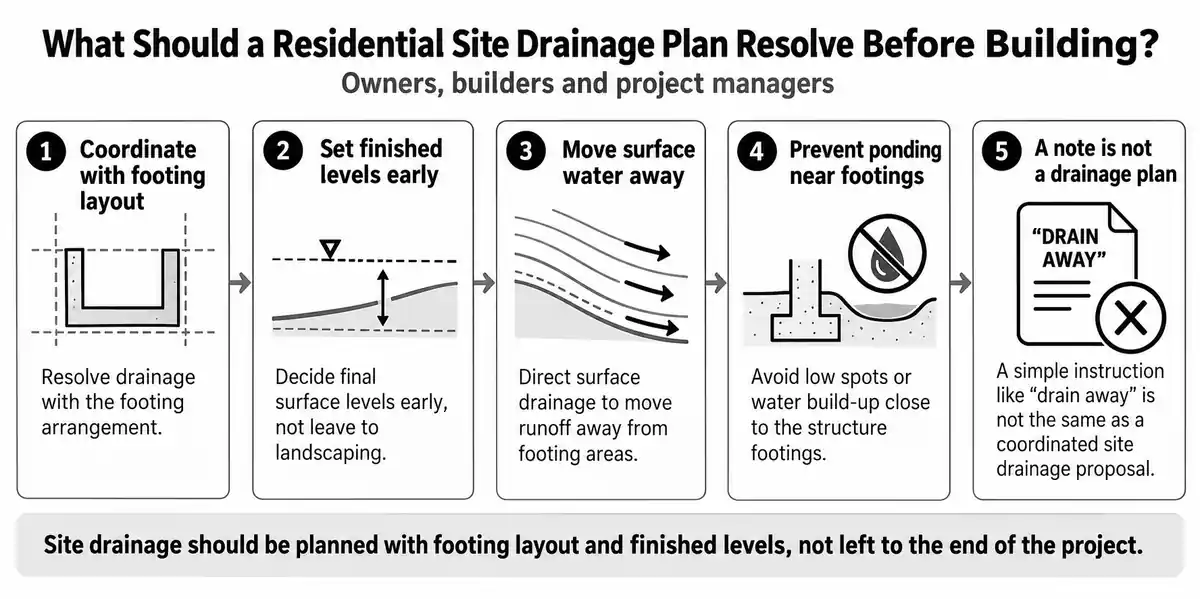
Residential site drainage needs to be resolved with the footing layout and finished levels, not left as a final landscaping decision. Surface drainage needs to avoid ponding near footings, with several constraints affecting how that is achieved. A line saying drain away is not the same as a coordinated site proposal.
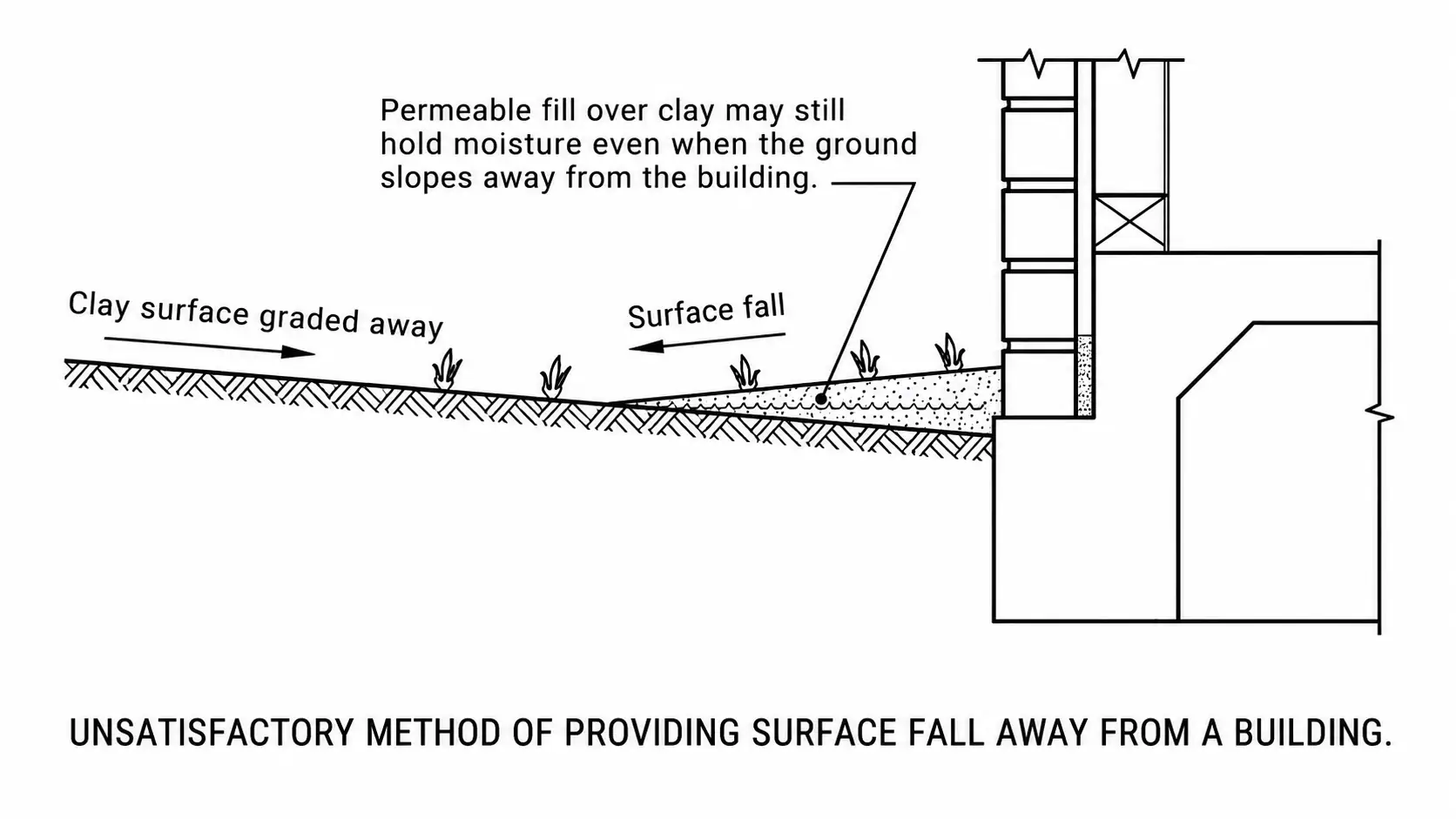
Rainwater runoff is the part of a paving change you can see. Beneath an impermeable covering, less rain may reach the soil while less moisture may also escape by evaporation.
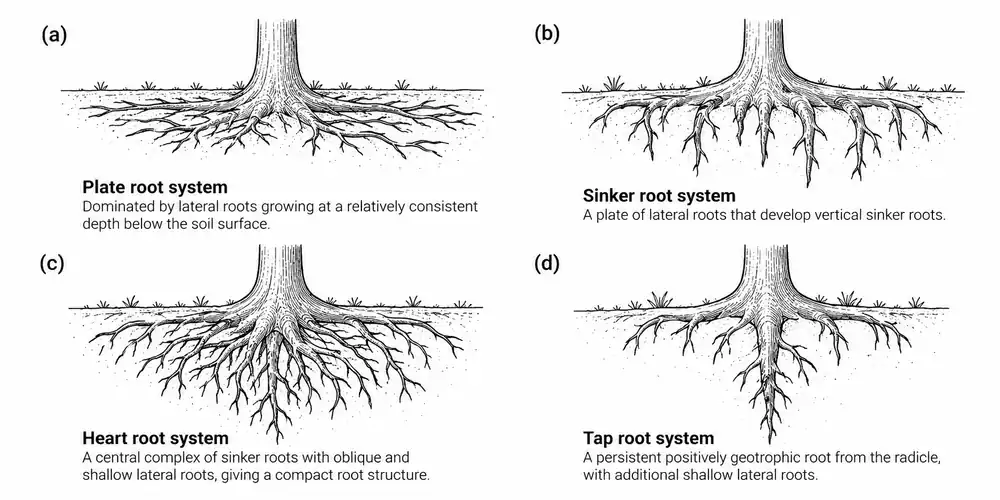
Separate physical root pressure from moisture-related ground movement and identify the evidence needed before intervention.
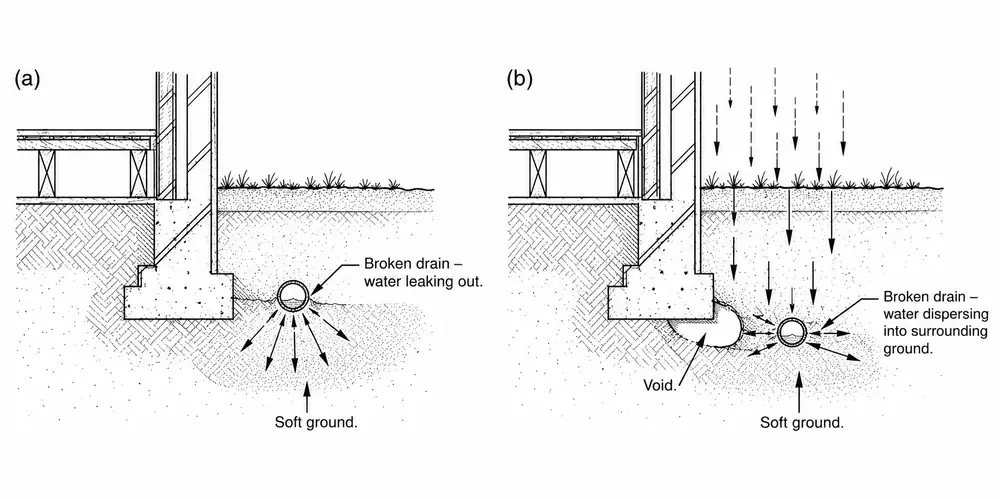
Distinguish the effects of escaping water, soil entering pipes and blockages when investigating movement around drains.
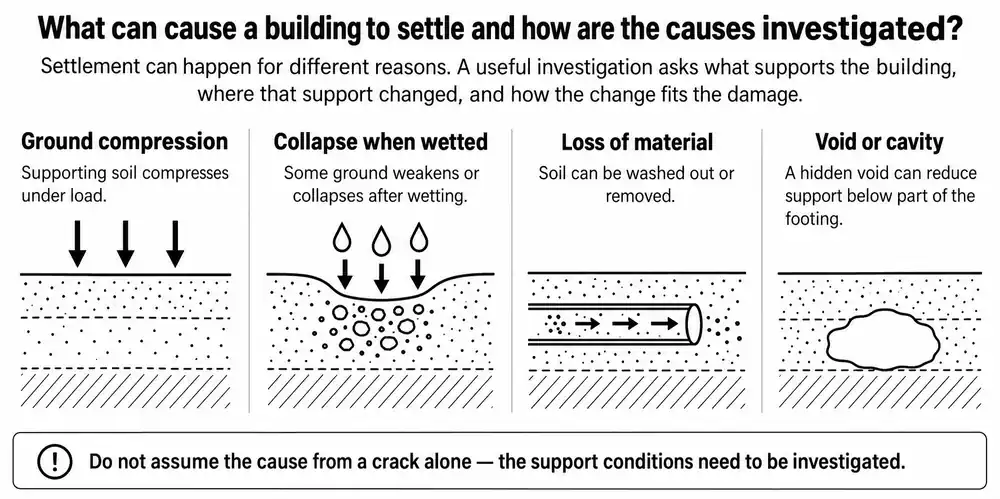
Understand the different ways ground support can change and what evidence separates the explanations.
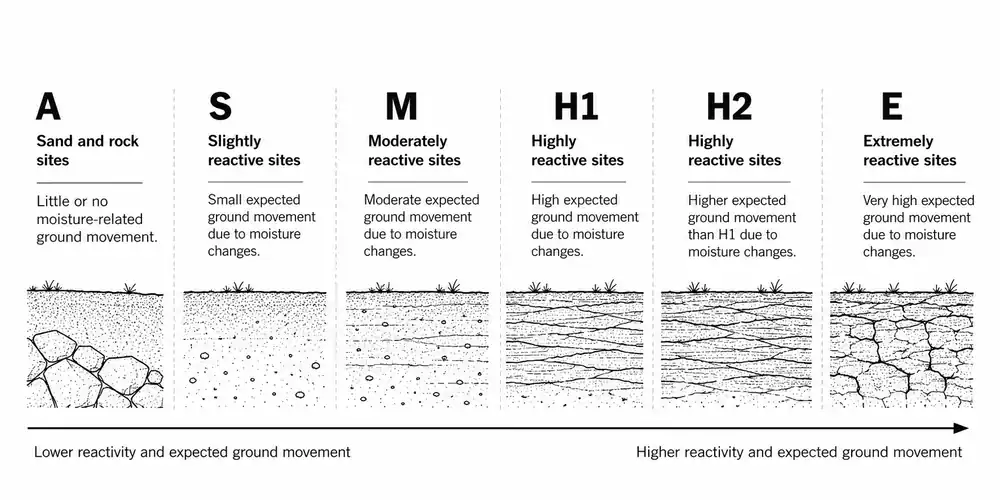
A site class describes ground behaviour relevant to footing design. It is not a house-condition grade. Classes A, S, M, H1, H2 and E distinguish sites by their expected response to moisture under normal-site assumptions. The classification must be read with the soil profile, the depth of movement and the investigation findings.
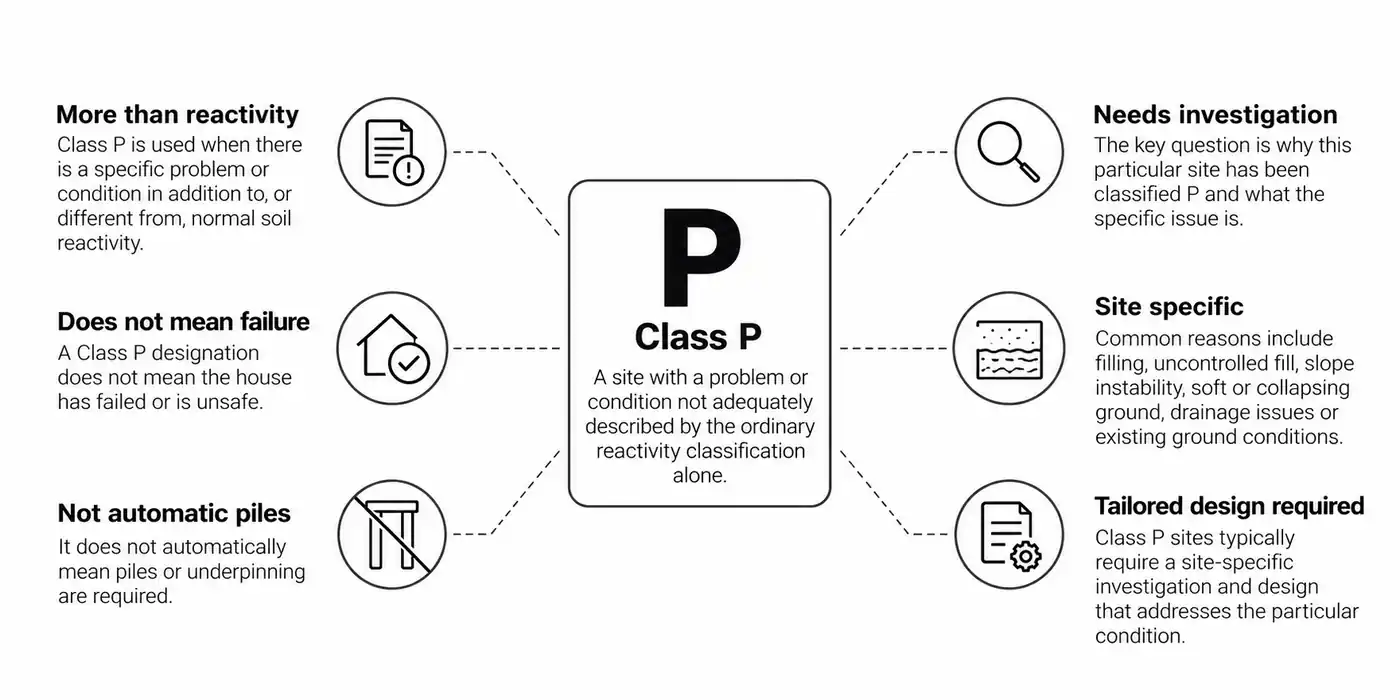
Class P means the site has a problem or condition that cannot be adequately described by the ordinary normal-site reactivity classification alone. It does not mean the house has failed, and it does not automatically mean piles or underpinning are required. The useful question is: why was this particular site classified P?
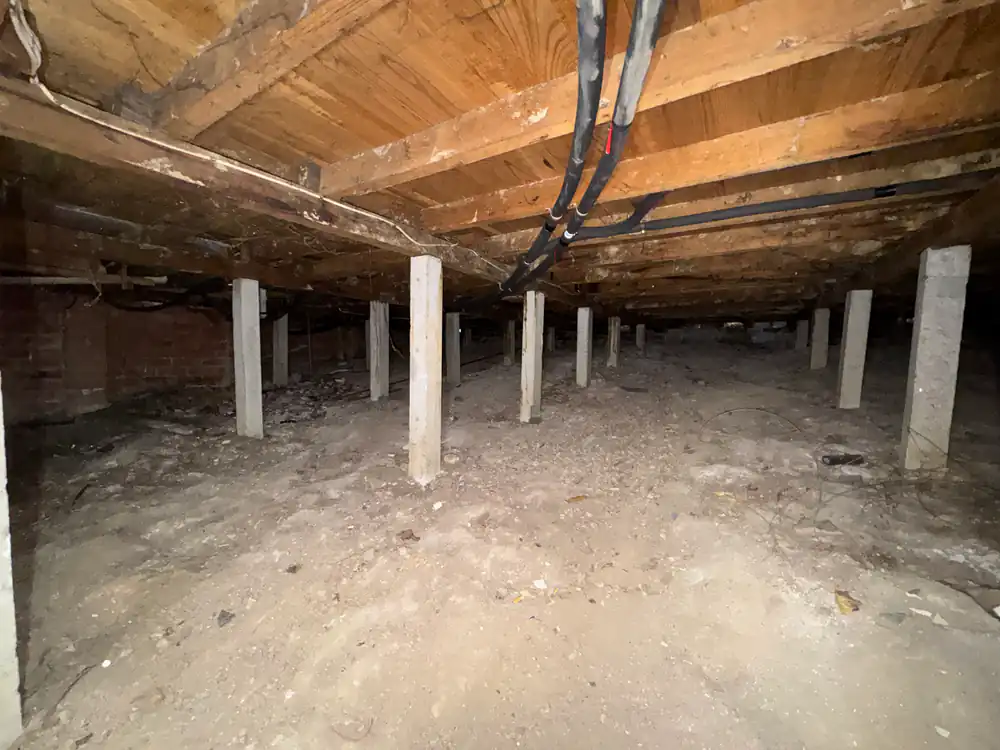
An uneven timber floor may involve timber condition, support movement or both. Learn why stump, bracing and ground checks answer different questions.
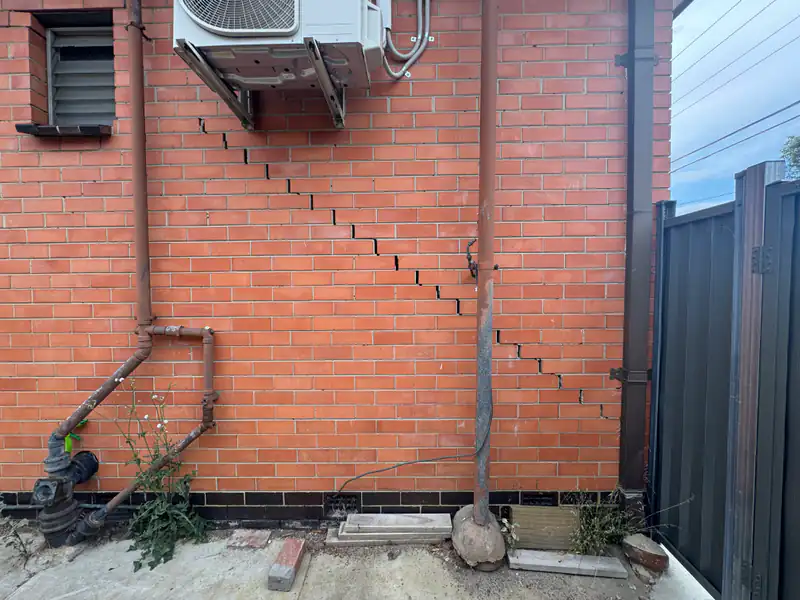
Compare the purposes of building repairs, drainage, tree management, ground treatment and underpinning, with the questions behind a justified proposal.
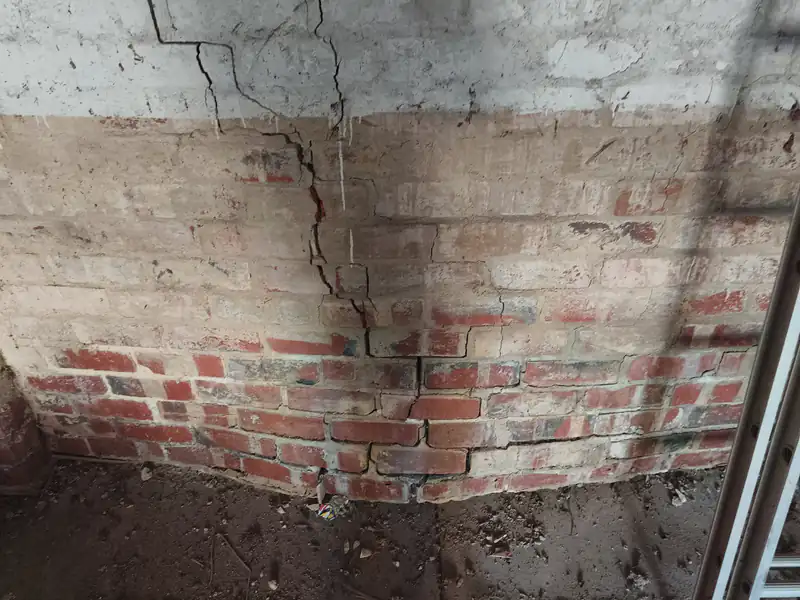
Compare repair scope, future movement assumptions and evidence of performance before treating quotations as equivalent.
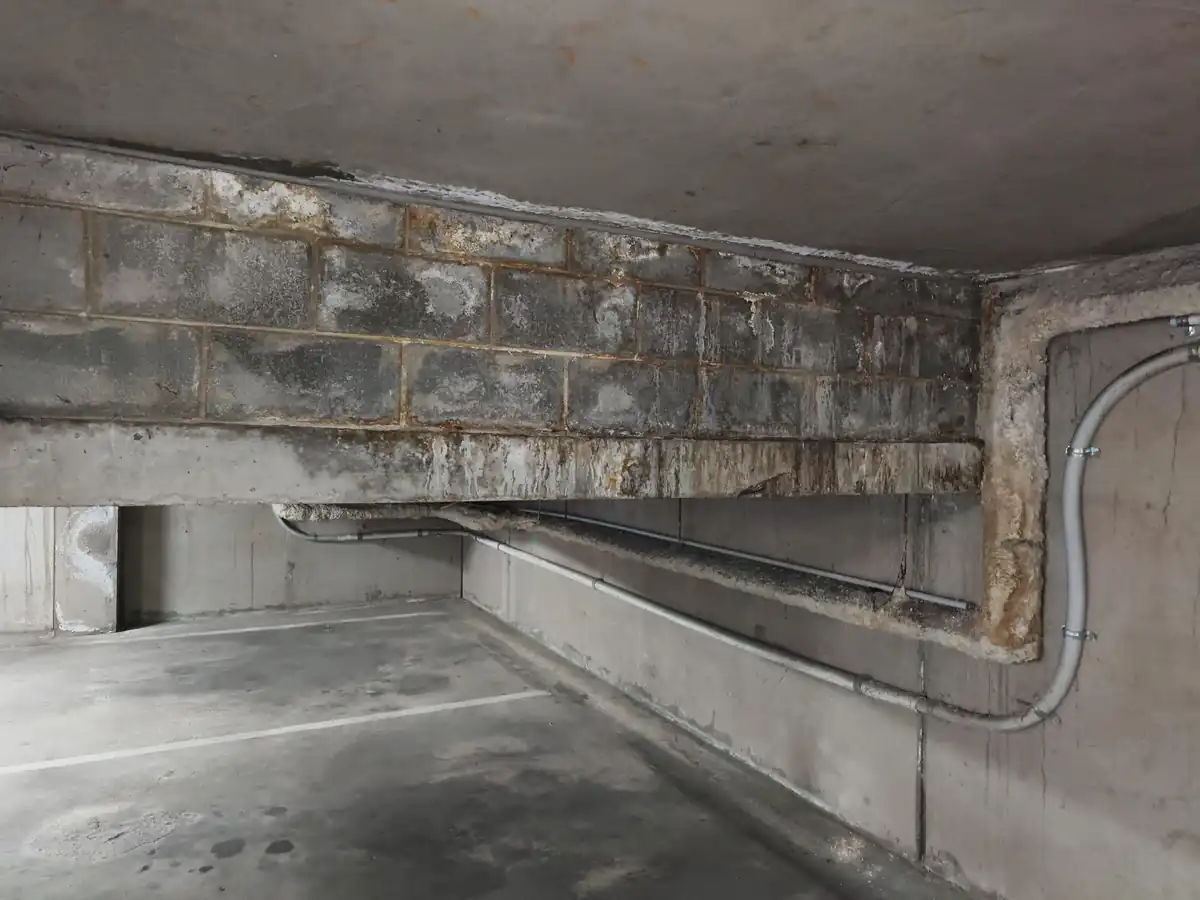
Before accepting a damp-treatment quote, ask how the water source, building materials, drying and concealed areas have been investigated.
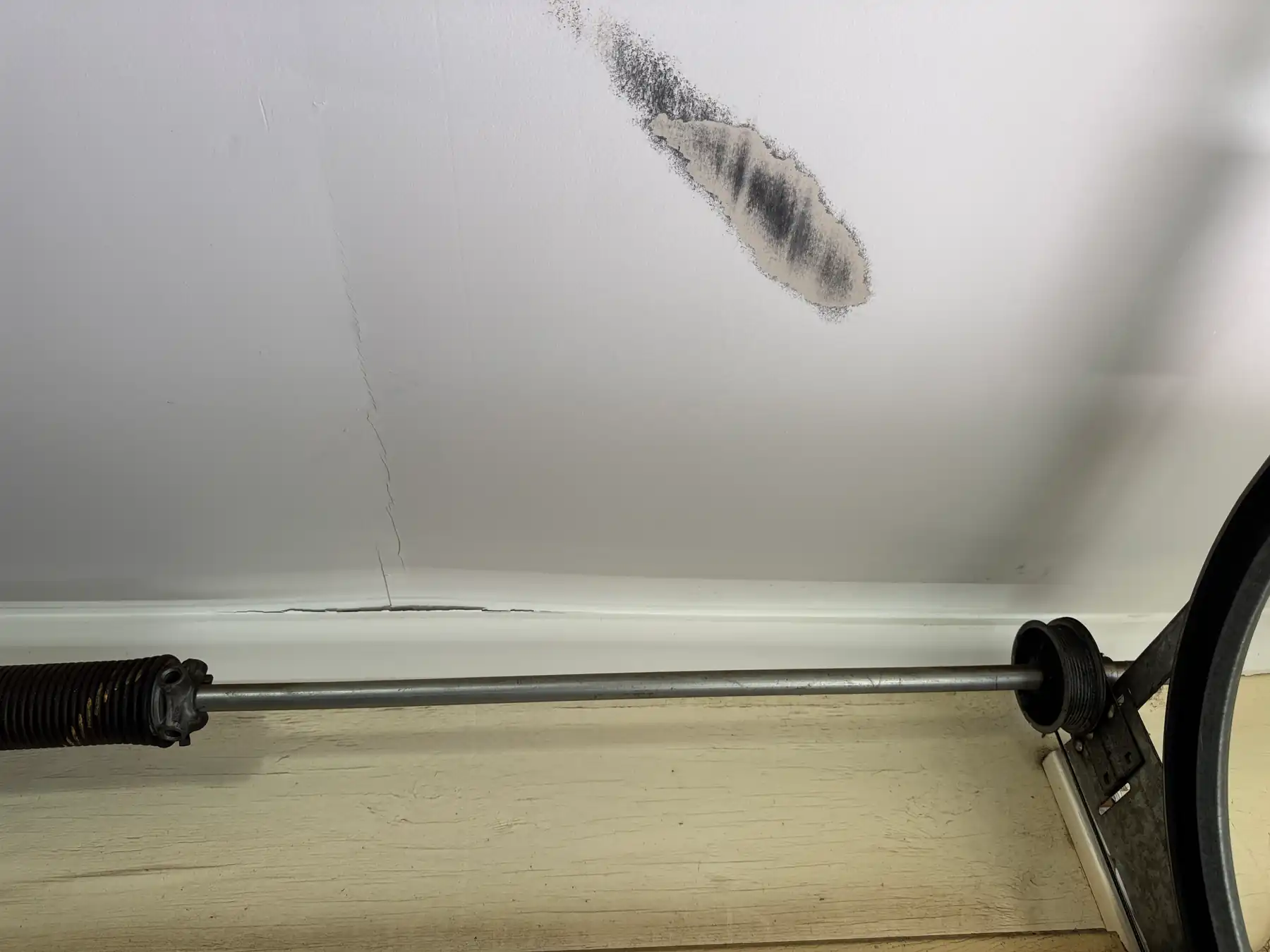
Cleaning or resealing may miss a water route. Learn what to record about outlets, overflows, junctions and earlier repairs when a building leak returns.
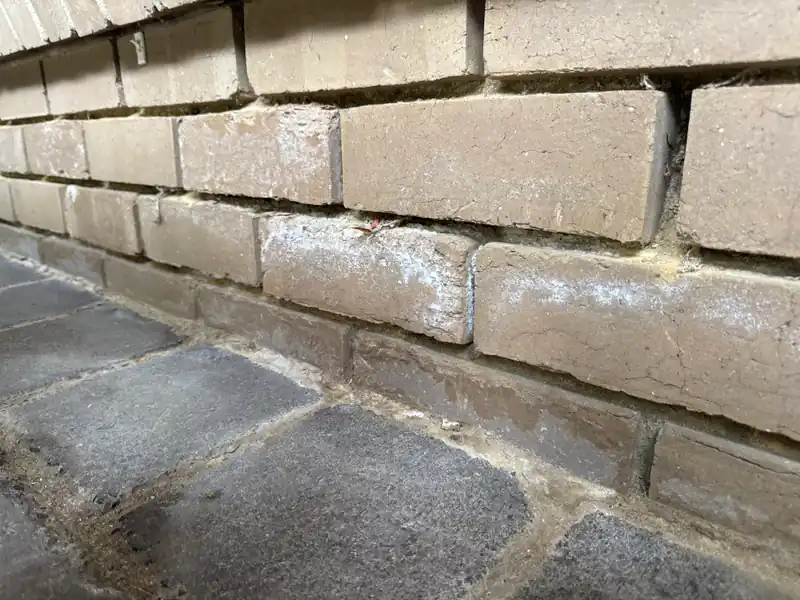
Understand how DPC continuity, compatible materials, openings and external levels fit the wall drainage route.
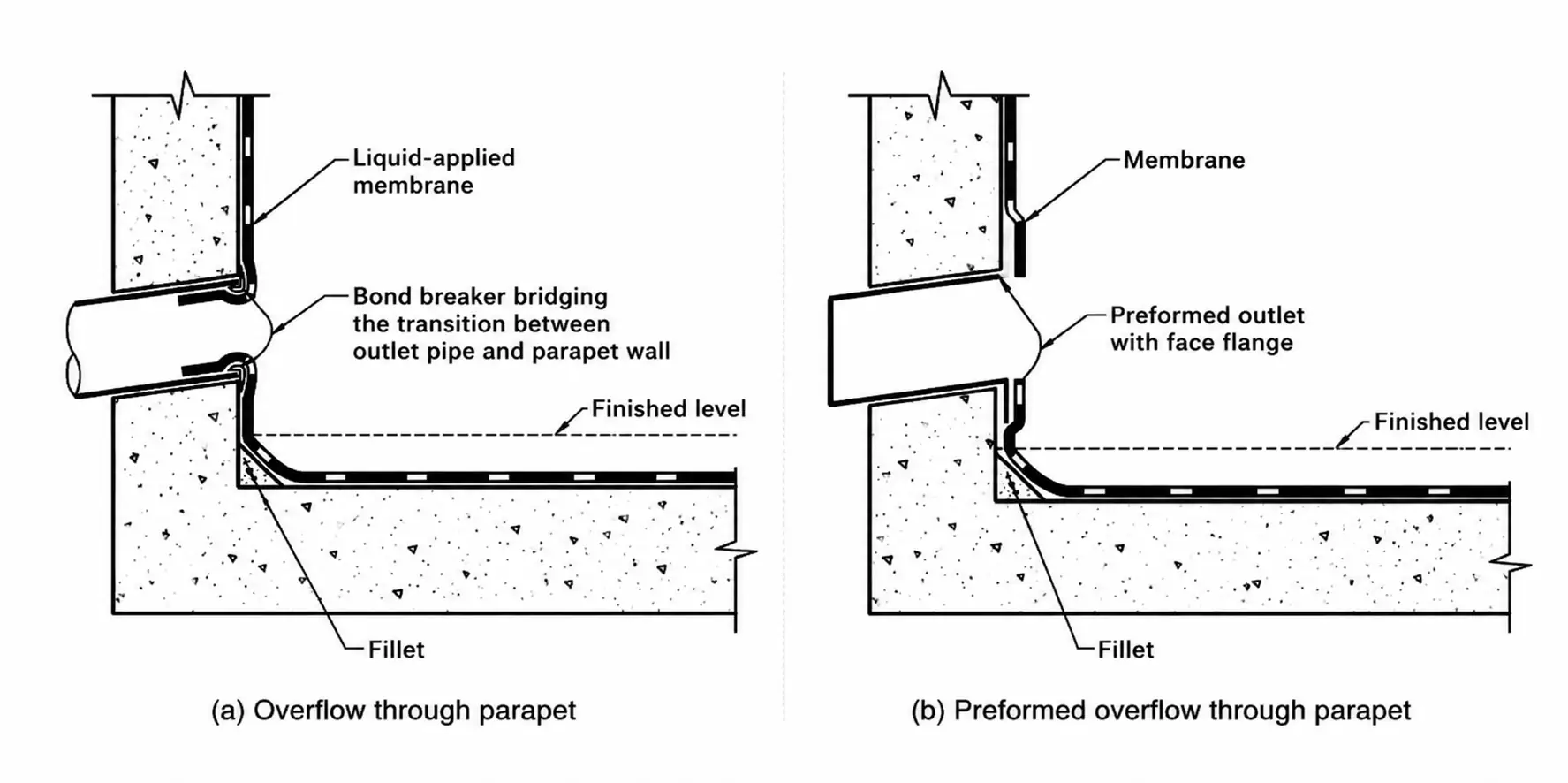
Record balcony leaks, ponding, overflow details and deck damage clearly. Keep water paths, surface-tension exceptions and timber conditions separately identified.
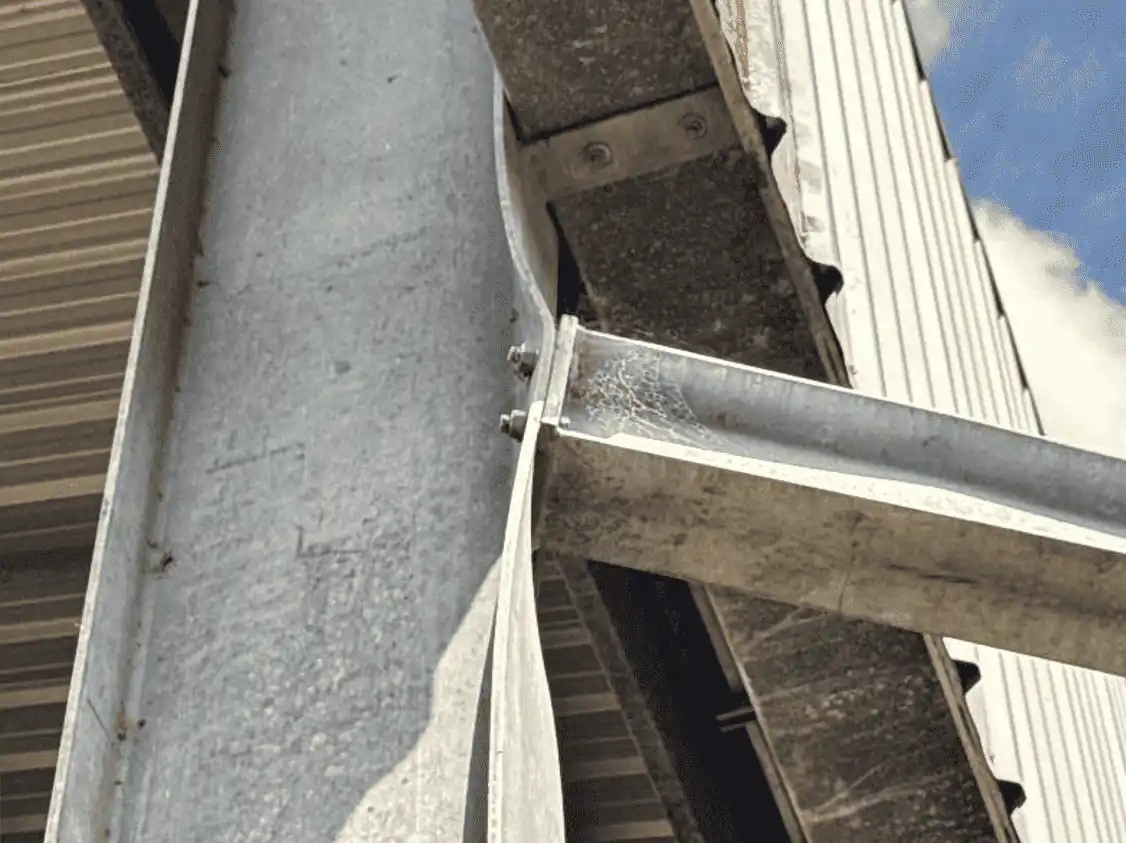
How an investigation compares storm dates, weather records, repairs and physical damage, and why event timing alone cannot establish the cause.
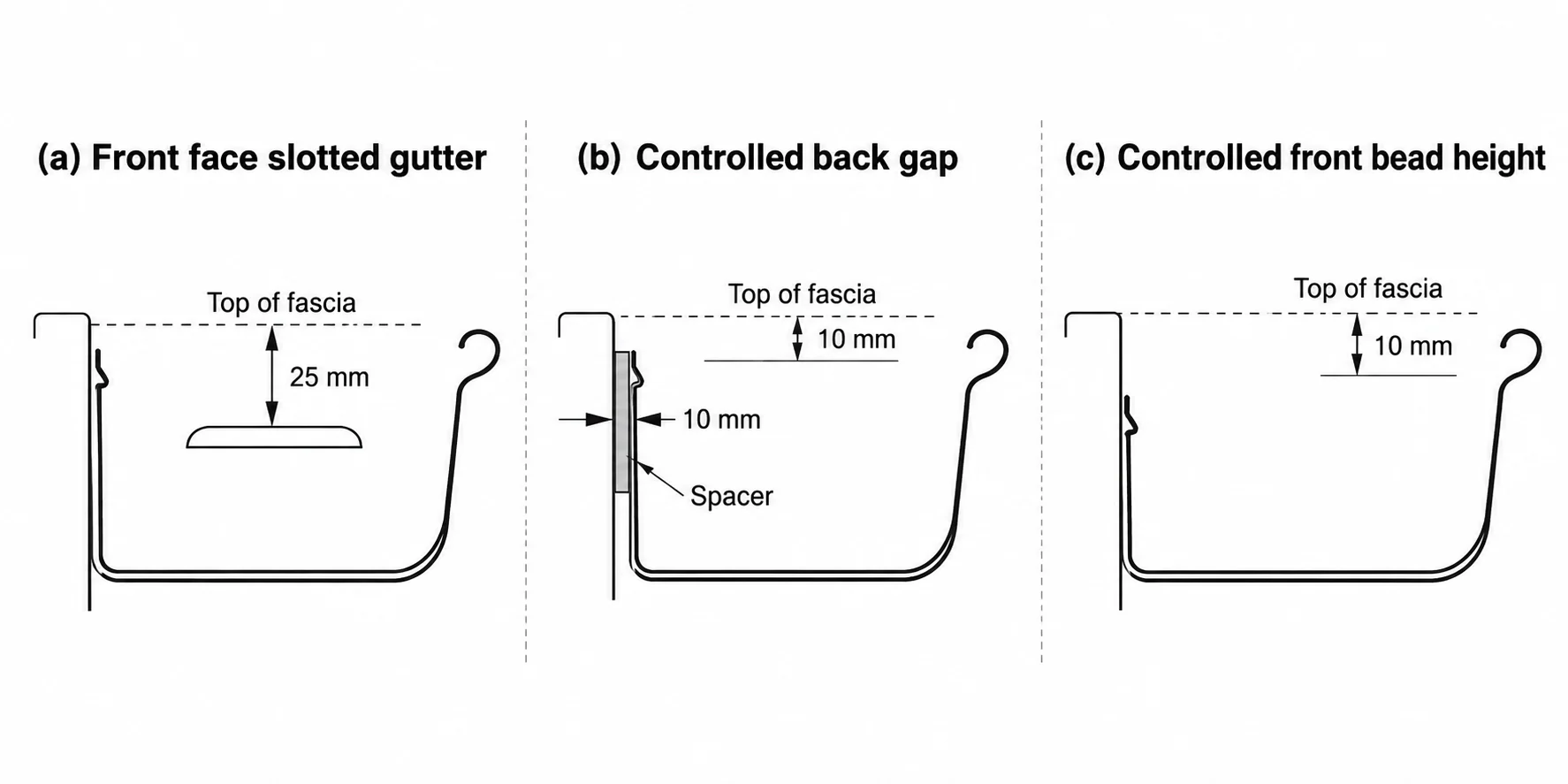
Gutters and downpipes need a suitable overflow route. Understand catchments, outlet placement and why upper roofs can affect drainage on lower roofs.
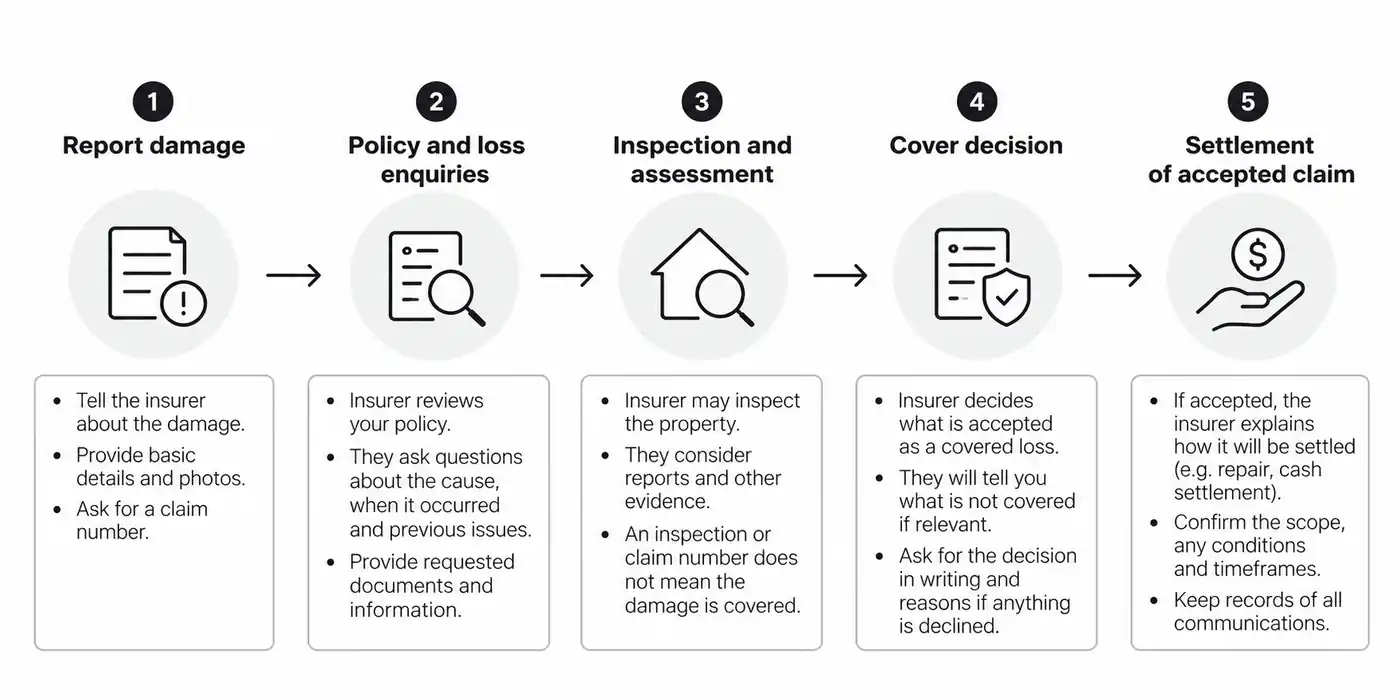
Understand the stages of a home building insurance claim, who to contact and what to clarify about assessment, decisions, repairs and settlement.
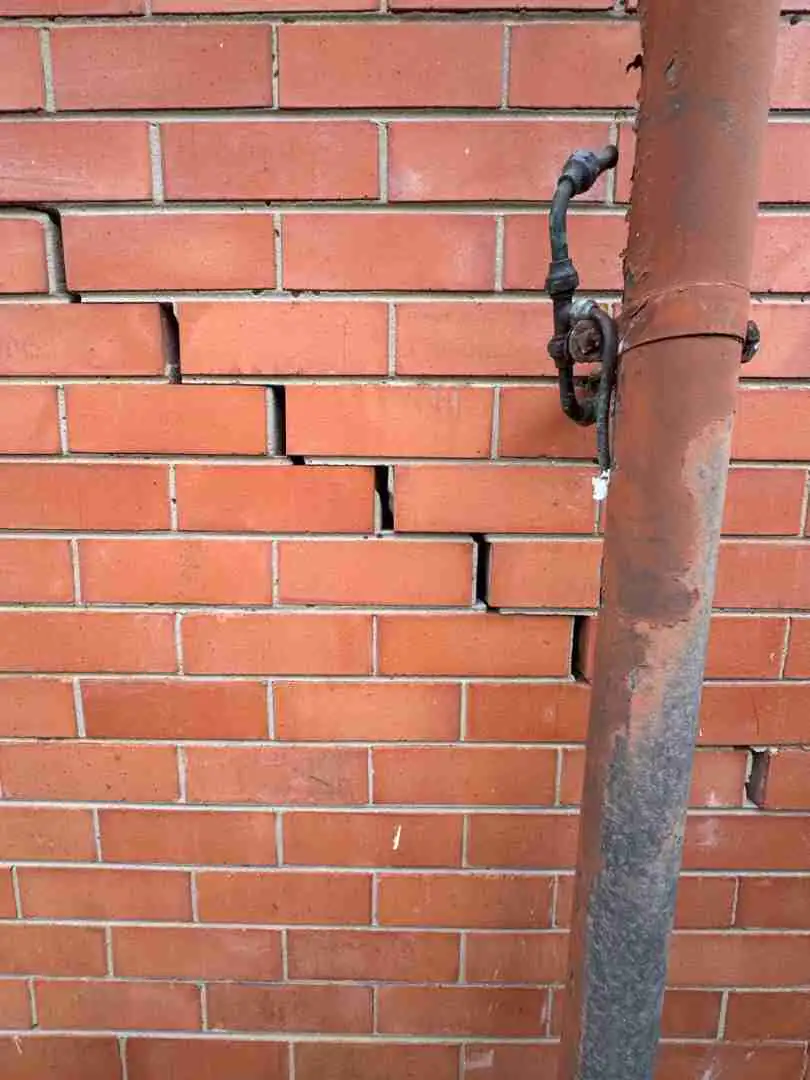
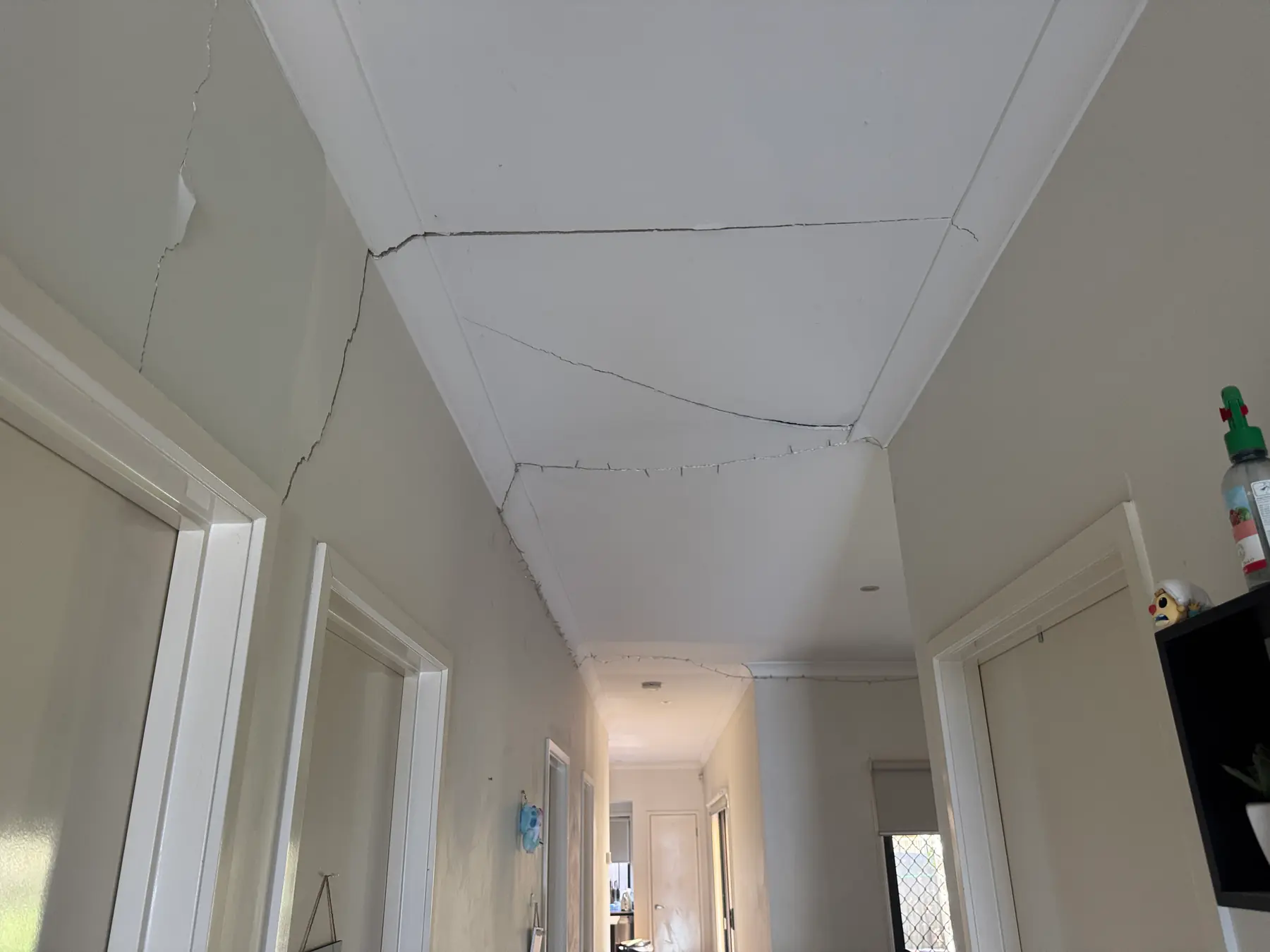
Explore how drying, temperature, chemical change, loading and deterioration can crack a house, and why a crack alone does not establish subsidence.
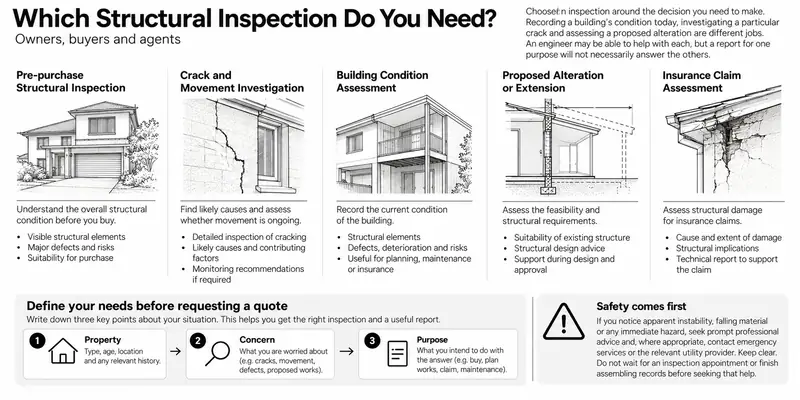
A condition snapshot, a crack investigation and an assessment before alterations answer different questions. Agree what will be inspected, who will interpret the findings and what the report needs to explain.
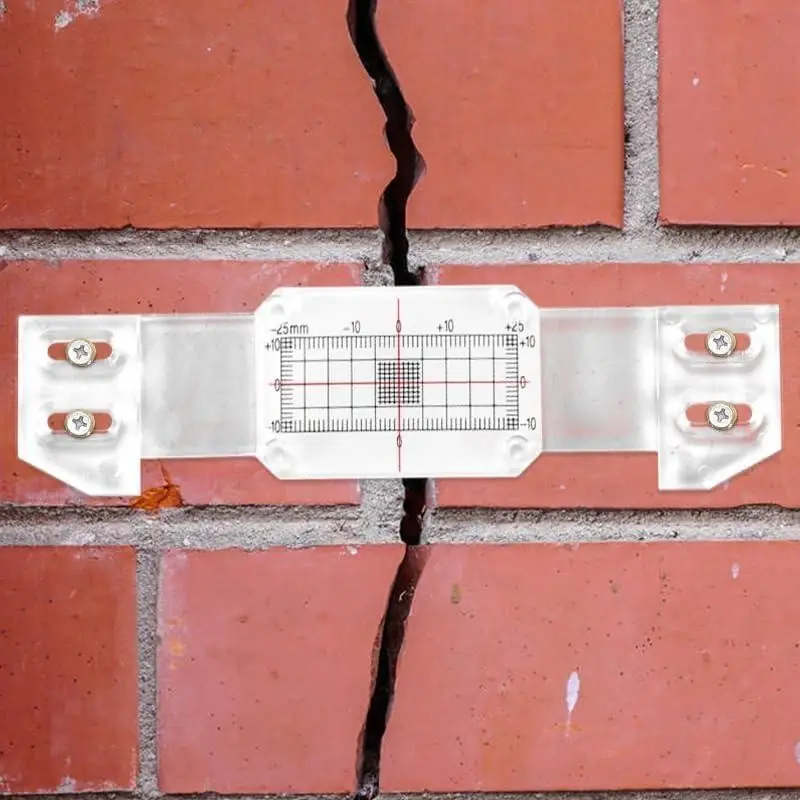
Crack readings, building levels and sideways ground records measure different things. Learn how purpose, references and time affect their meaning.
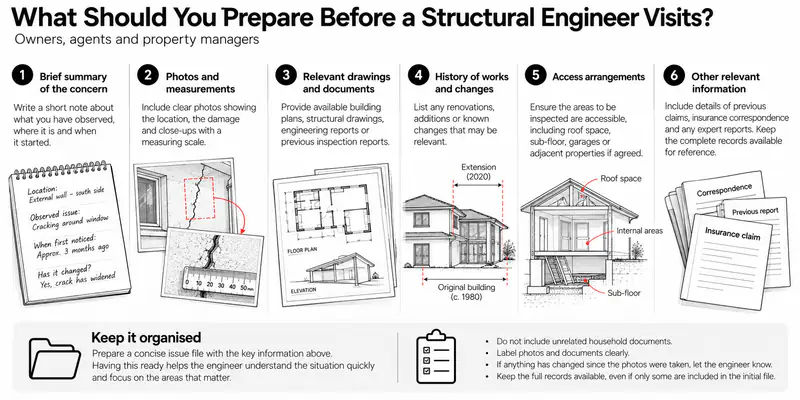
A concise issue file gives an engineer a clearer starting point. Connect a plan, original photographs, repair history and dated observations, then confirm access restrictions and the questions the visit must answer.
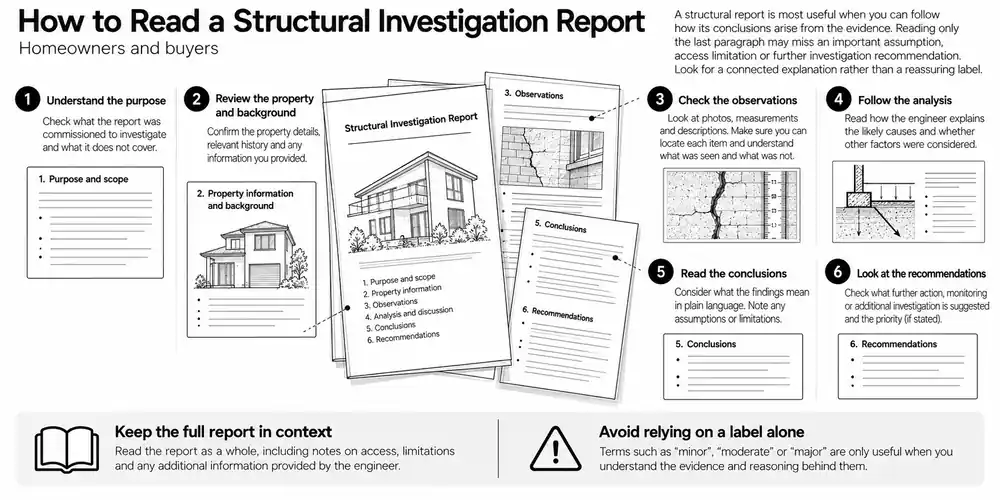
Read a structural investigation report from scope to evidence, reasoning and limitations. Check future assumptions and separate opinion from certification or repair design.
Is a wall crack changing? Compare the same measuring point, photographs and related symptoms, and understand why one unchanged reading cannot prove stability.
Record where doors stick, window gaps and nearby cracks, with dates and earlier adjustments. Functional changes are evidence, not proof of a structural cause.
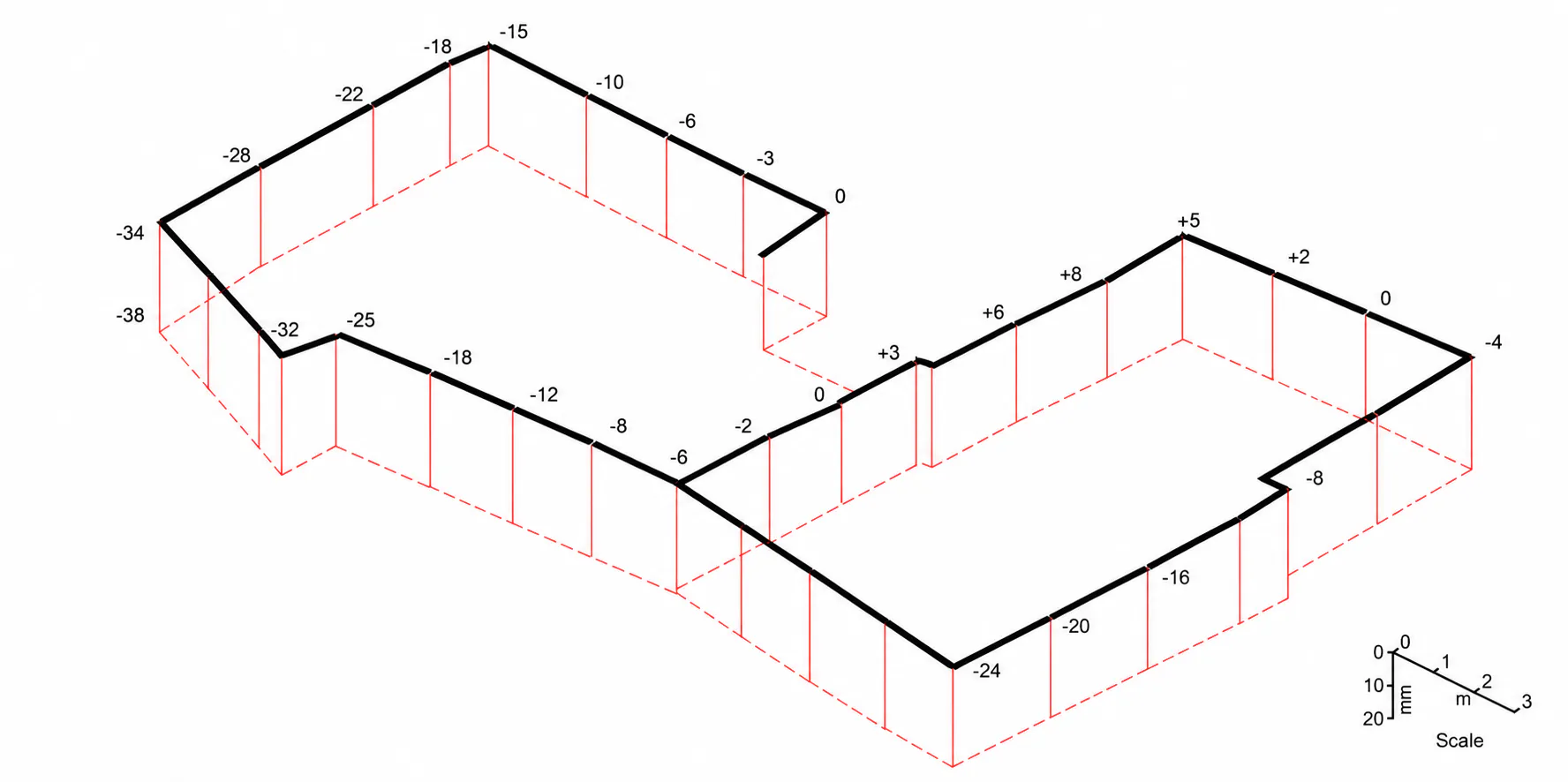
An uneven floor survey records shape, not when or why movement occurred. Learn why datums, wall alignment, history and repeat measurements matter.
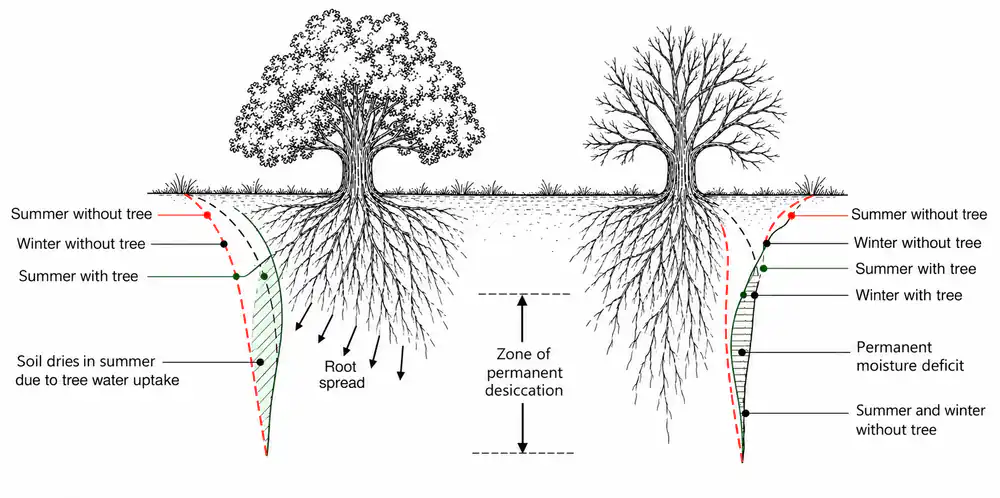
Learn how compression, erosion, clay moisture changes, trees and surroundings can affect ground movement, without diagnosing a house from its cracks.
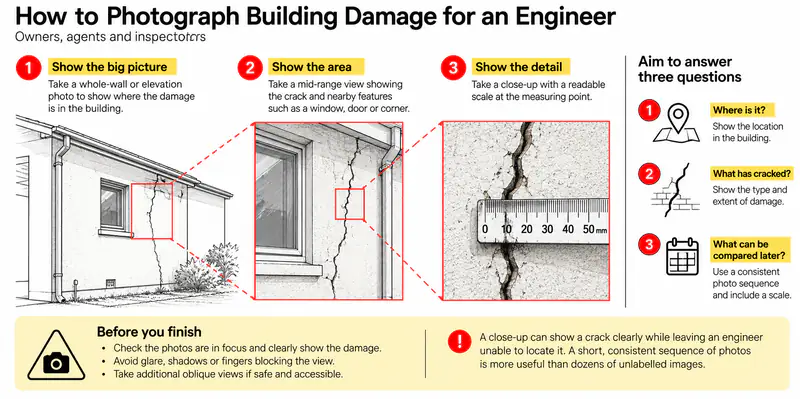
Start with the wall or elevation, move closer, then record the same measurement point. Preserve originals, label editing copies and explain missing baseline images instead of reconstructing them later.
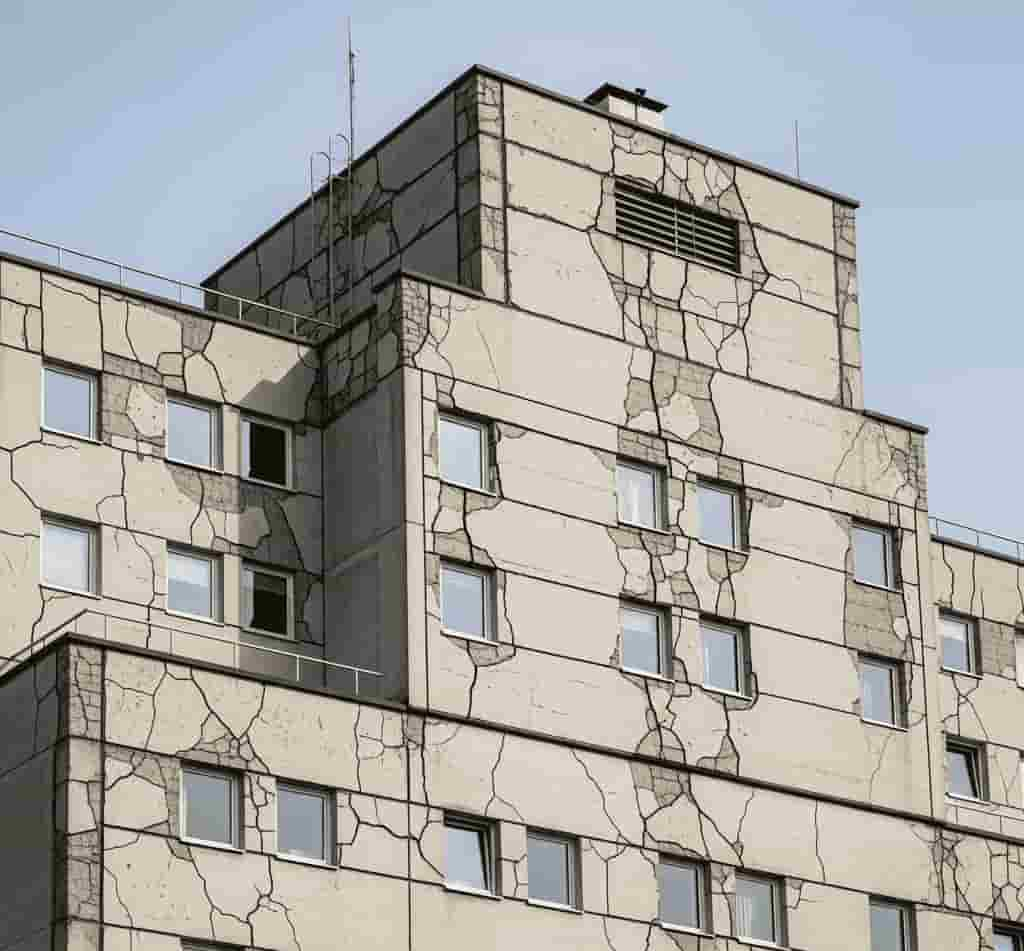
Forensic engineer's guide: Learn to read cracks, determine severity, and get expert structural advice in Melbourne.

Know what to expect from your structural report. Essential guide for causation analysis, warranty & defects claims.

Why a forensic structural assessment saves money. Protect your investment by avoiding hidden foundation repair costs.

Is reactive clay silently damaging your home? Our forensic engineers diagnose the root cause of foundation damage and provide actionable repair plans.
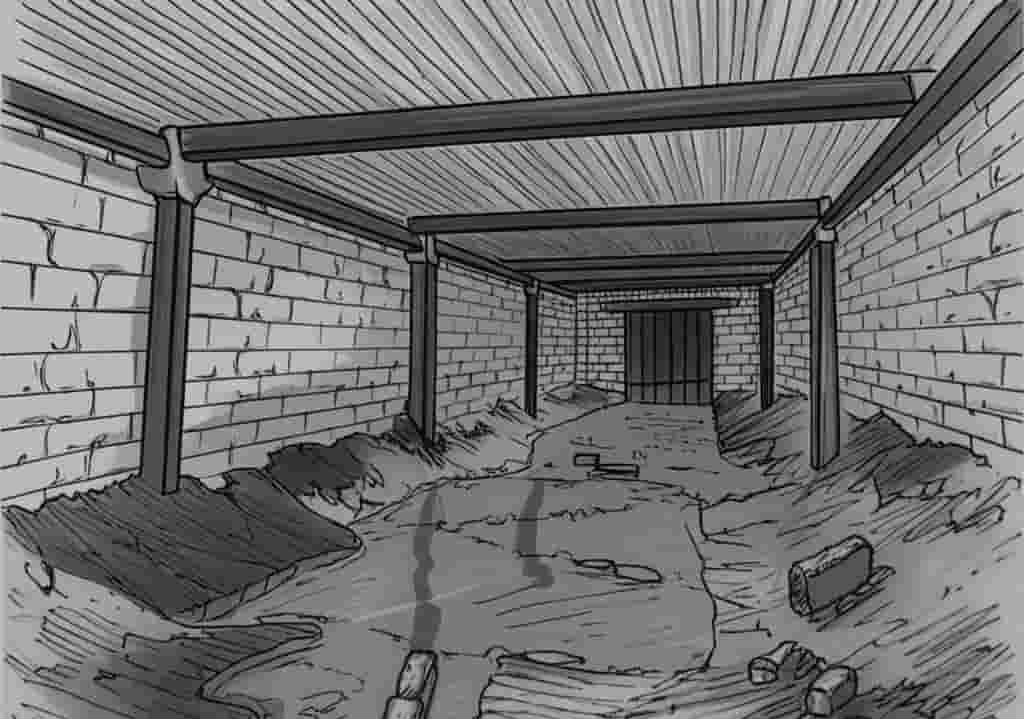
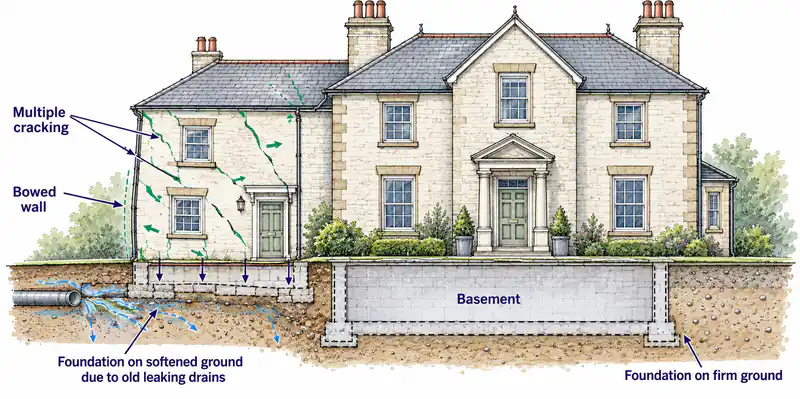
Understand the link between poor site drainage and foundation failure. Expert solutions for stormwater management in VIC.

Forensic investigation techniques to find the root cause of water penetration. Stop leaks and structural damage now.
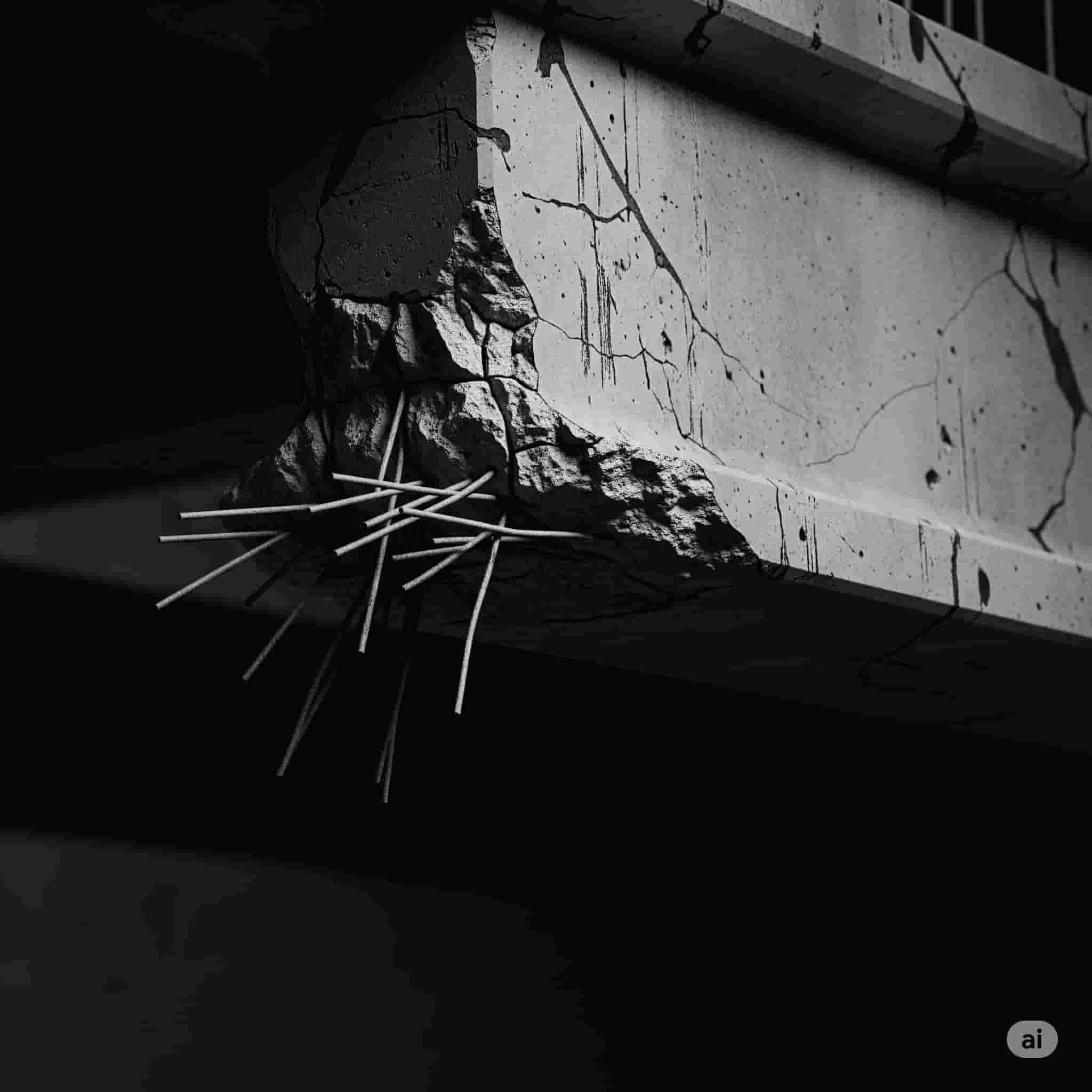
Learn the causes and signs of concrete cancer (spalling). Our forensic structural engineers offer detailed inspection, reporting, and remediation planning services.
1-37 of 42
Show more